

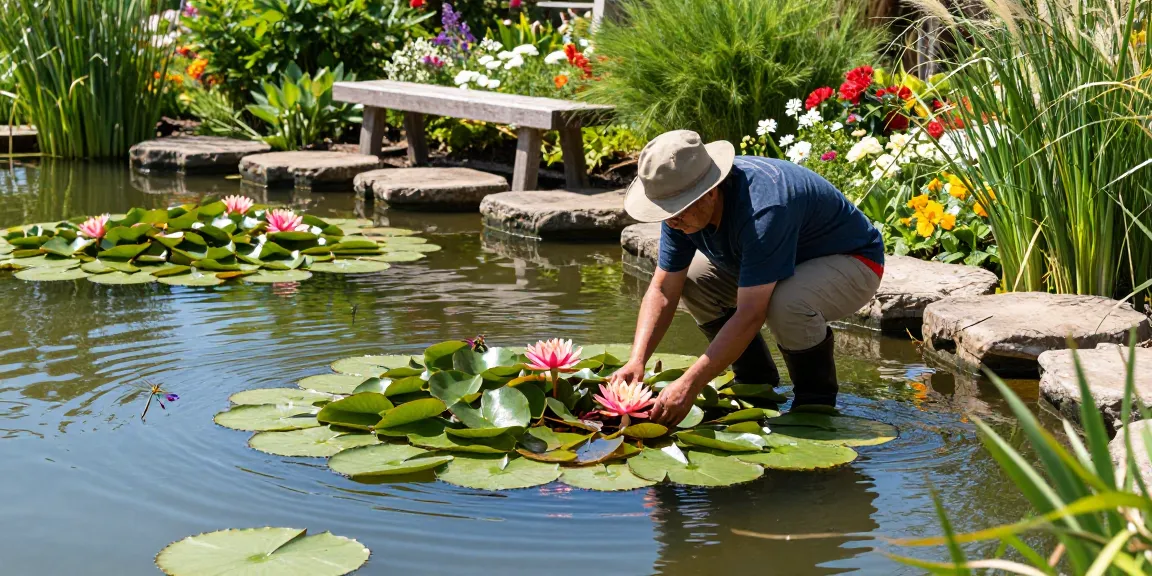
The Importance of Choosing the Right Water Lilies
Water lilies are not just for beautifying ponds; they play a pivotal role in maintaining the ecological balance of aquatic environments. Choosing the right varieties can enhance the appearance of your garden while supporting local wildlife. When deciding which species to incorporate, it’s essential to understand the various types of water lilies available, their growth requirements, and the environmental factors that will contribute to their health and vibrancy. For enthusiasts looking to expand their collection, options are plentiful, and to get started, you can Buy Water Lilies that suit your pond’s unique conditions.
Understanding Water Lily Varieties
Water lilies belong to the family Nymphaeaceae, and their varieties can generally be categorized into two main types: hardy water lilies and tropical water lilies. Hardy water lilies (Nymphaea) are ideal for temperate climates, thriving in cooler waters and exhibiting beautiful blooms from spring through fall. They have thick, waxy leaves and can survive winter dormancy, making them excellent choices for regions with seasonal temperature fluctuations.
Tropical water lilies, on the other hand, require warmer conditions and do not tolerate cold winters. They are often cultivated for their vibrant colors and unique growth patterns, making them a favorite among gardeners seeking to create a spectacular display. Understanding the specific needs and characteristics of these varieties will ensure optimal growth and flowering in your pond.
Factors Influencing Growth and Health
The success of your water lilies heavily relies on several key factors, including light, temperature, and water quality. Water lilies thrive best in full sunlight, requiring at least six hours of direct light daily for optimal growth. Insufficient sunlight can lead to sparse blooms and reduced overall vigor.
Temperature is another critical factor. Hardy varieties can tolerate cold temperatures but will need to be placed at a depth where they can avoid freezing, usually around 12 to 18 inches deep. Tropical varieties, conversely, should be kept in warmer waters of at least 70°F (21°C) year-round.
Lastly, water quality plays a significant role in the health of your lilies. Maintaining a balanced pH level and ensuring that water is clean and nutrient-rich will help your plants flourish. Regular monitoring of these factors is essential to prevent issues such as algae overgrowth and nutrient deficiencies.
Environmental Considerations for Water Lilies
When designing your pond, it’s vital to consider the overall ecosystem. Water lilies provide shade and shelter that benefit various aquatic life, including fish and beneficial microorganisms. Additionally, they help purify water by absorbing excess nutrients that might otherwise promote harmful algae blooms.
Creating a diverse pond environment with multiple plant species can enhance biodiversity and encourage wildlife presence. Including a mixture of submerged plants, emergent plants, and other floating species will create a balanced ecosystem that supports your water lilies and minimizes the likelihood of pests or diseases.
Where to Buy Water Lilies Online and Offline
If you’re looking to enhance your aquatic garden, knowing where to buy quality water lilies is key. There are numerous options available, both online and at local retailers, that cater to different preferences and needs.
Top Online Retailers for Quality Water Lilies
Online shopping has made it easier than ever to find rare and interesting water lily varieties. Websites dedicated to aquatic plants often carry extensive selections that you might not find in local stores. Look for reputable retailers that specialize in pond plants to ensure you are purchasing healthy specimens. Pay attention to customer reviews, which can provide insight into the quality and reliability of the seller.
One of the significant advantages of buying online is access to a broader range of varieties. Many online retailers provide detailed descriptions of the plants, including growth habits and ideal planting conditions, helping you make an informed choice for your pond.
Local Nurseries and Garden Centers
While online options offer vast selections, local nurseries and garden centers can provide a personal touch when buying water lilies. By visiting a physical store, you can inspect the plants firsthand, ensuring their health before making a purchase. Additionally, local experts often have valuable insights into which varieties perform best in your specific climate conditions.
Many nurseries also provide tips on planting and care, making them an invaluable resource for pond enthusiasts. Building a relationship with local suppliers can lead to recommendations for other plants and products that could enhance your pond’s ecosystem.
What to Look for When Purchasing
When purchasing water lilies, consider the following factors to ensure you bring home healthy plants:
- Leaf Quality: Look for vibrant, green leaves without discoloration or spots.
- Flower Health: If purchasing a plant in bloom, ensure the flowers are fresh and fully formed.
- Root System: A well-established root system is essential for plant health. Check that roots are firm and white without signs of rot.
- Variety Suitability: Make sure the selected variety is suitable for your pond’s climate and depth.
How to Plant and Care for Water Lilies
Planting and caring for water lilies is straightforward if you follow some basic guidelines. Proper planting ensures that your water lily will establish itself and thrive in your pond environment.
Step-by-Step Planting Guide
- Select a Container: Choose a shallow container or basket that is 12-18 inches deep. Ensure it has drainage holes for water movement.
- Use Appropriate Soil: Fill the container with a heavy aquatic soil mix, avoiding regular garden soil, which can cloud the water.
- Planting: Position the rhizome horizontally, about 2-4 inches below the soil surface. Cover lightly with soil, but make sure the growing tip remains exposed.
- Positioning in Water: Place the container in the pond at the appropriate depth based on the variety, usually between 12-36 inches depending on the species.
- Initial Care: Water lilies may take a few weeks to establish. During this time, ensure they receive ample sunlight and avoid over-fertilizing.
Maintenance Tips for Healthy Growth
Regular maintenance is vital for ensuring your water lilies remain healthy and vibrant. Here are some essential tips:
- Fertilization: Use aquatic plant fertilizers during the growing season to promote strong growth and blooming.
- Pruning: Regularly remove dead or brown leaves to maintain aesthetics and prevent rot.
- Water Quality: Monitor pH and nutrient levels regularly, adjusting as necessary to maintain ideal conditions.
- Winter Care: In colder regions, consider moving hardy varieties to a deeper part of the pond or covering them to protect against freezing.
Common Pests and Diseases to Watch For
Just like any other plant, water lilies can be susceptible to pests and diseases. Here are some common issues to be vigilant about:
- Spider Mites: These tiny pests can cause stippling on leaves. Introducing beneficial insects like ladybugs can help control their population.
- Snails: While some snails can be beneficial, too many can damage leaves. Manual removal is often necessary.
- Mildew: This fungal issue can be resolved by improving air circulation and avoiding overcrowding of aquatic plants.
Spotting issues early can make management easier and help keep your water lilies thriving.
Enhancing Your Pond with Water Lilies
Water lilies can significantly elevate the beauty and health of your pond. When combined with other plants and features, they contribute to a serene and vibrant aquatic environment.
Pairing Water Lilies with Other Aquatic Plants
Creating a harmonious pond ecosystem involves pairing water lilies with complementary aquatic plants. Consider adding:
- Marginal Plants: Plants like pickerel weed and water iris can provide vertical interest and natural habitat for wildlife.
- Submerged Plants: Species such as hornwort and anacharis help oxygenate the water and provide shelter for fish.
- Floating Plants: Duckweed or water lettuce can help shade the water’s surface and control algae growth.
This diversity not only enhances the aesthetic appeal but also promotes a balanced aquatic ecosystem.
Design Ideas for Balanced Pond Aesthetics
To achieve a visually appealing pond layout, consider the following design strategies:
- Layering: Arrange plants in layers, with taller species at the back and shorter ones at the front to create depth.
- Grouping: Plant water lilies in clusters rather than scattered to create focal points within the pond.
- Color Coordination: Choose water lilies and companion plants that complement or contrast harmoniously for visual interest.
Implementing these ideas will help create a captivating backdrop for relaxation and enjoyment.
Creating a Wildlife-Friendly Environment
Water lilies not only enhance human enjoyment of ponds but also provide critical habitats for various wildlife species. To foster a wildlife-friendly environment:
- Install Shelters: Incorporate rocks and submerged logs to provide hiding spots for aquatic creatures.
- Create Shady Spots: Water lilies provide shade; ensure there are ample spaces for fish to seek shelter from the sun.
- Include Diverse Flora: A variety of plants will attract different species, enhancing biodiversity and creating a healthier ecosystem.
This approach not only benefits wildlife but also enriches your overall pond experience.
Future Trends in Aquatic Gardening for 2026
The world of aquatic gardening is continuously evolving, with innovations and trends emerging that cater to changing environmental needs and consumer preferences. Let’s explore what the future holds for water gardening enthusiasts.
Innovative Water Lily Varieties on the Market
As growers continue to cultivate new water lily varieties, prospects for unique colors, patterns, and growth habits are expanding. Expect to see hybrids that offer improved hardiness and adaptability to various climates. Innovations in breeding can also lead to blooms with longer flowering periods or enhanced fragrance, appealing to both casual gardeners and dedicated horticulturists.
Eco-Friendly Practices for Pond Care
As sustainability becomes increasingly important, more pond owners are adopting eco-friendly practices. Here are some trends to consider in your water gardening efforts:
- Organic Fertilizers: Utilizing natural fertilizers can boost plant health without harming the aquatic ecosystem.
- Rainwater Harvesting: Collecting rainwater for pond use reduces reliance on municipal water sources and allows for a sustainable water supply.
- Native Plant Incorporation: Using native plant species encourages local wildlife and supports biodiversity.
Embracing these practices will not only benefit your pond but also contribute to global environmental health.
The Role of Technology in Aquatic Gardening
The integration of technology into gardening practices is growing rapidly, particularly in the realm of smart gardening solutions. Some exciting innovations include:
- Water Quality Sensors: These devices allow pond owners to monitor pH levels, temperature, and other vital metrics remotely.
- Automated Feeding Systems: These systems can ensure your aquatic garden receives the right nutrients without over-fertilization.
- Plant Identification Apps: Some apps help gardeners identify various aquatic plant species, aiding in selection and care decisions.
As technology continues to advance, it will undoubtedly play a significant role in how we care for our ponds and aquatic plants.
What benefits do water lilies provide?
Water lilies offer numerous ecological benefits, including habitat creation for aquatic wildlife, water purification, and shading that aids in temperature regulation within the pond. Their striking blooms also add aesthetic beauty to gardens, making them a favorite for many pond enthusiasts.
How do I maintain my water lilies effectively?
Maintaining water lilies involves ensuring adequate sunlight, providing suitable nutrients, and regularly checking for pests. Pruning damaged leaves and monitoring water quality are also critical for their overall health.
What are the best conditions for growing water lilies?
Water lilies thrive in sunny locations with at least six hours of direct sunlight daily, in nutrient-rich water at temperatures suitable for their specific variety. Proper planting depth and maintaining clean water conditions are also essential.
Where can I find rare water lily varieties?
Rare varieties can often be found through specialized online retailers or during aquatic plant shows. Local garden clubs or plant exchanges may also be excellent resources for finding unique types.
What common mistakes should I avoid with water lilies?
Common pitfalls include over-fertilizing, improper planting depth, and neglecting water quality. Avoiding overcrowding with other plants can help ensure each species receives enough space and nutrients.