

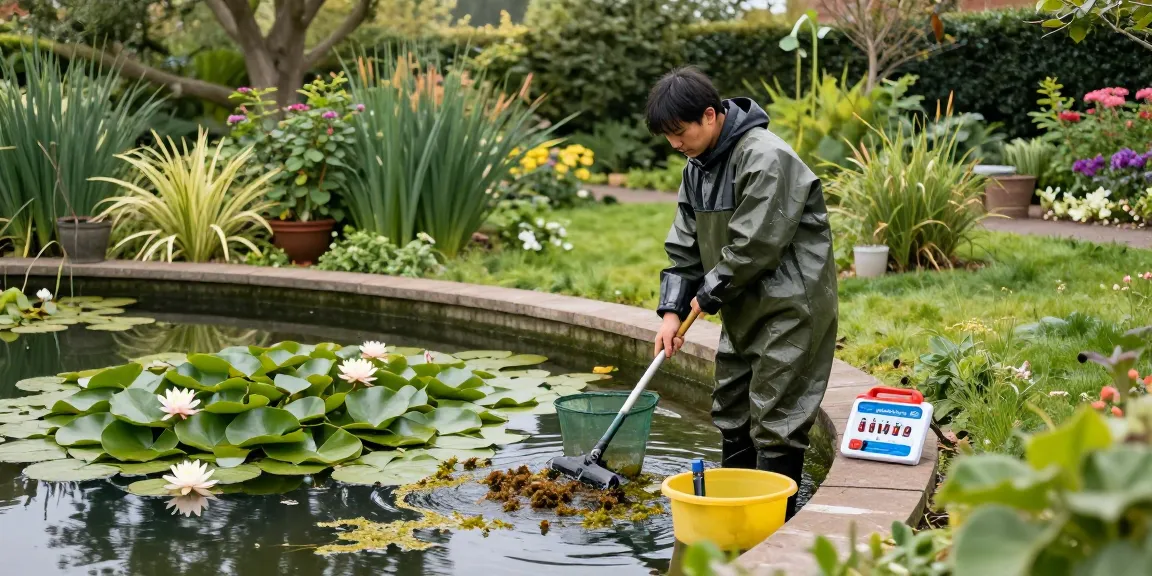
Understanding Pond Health and Maintenance Needs
Maintaining a healthy pond is essential not only for aesthetic purposes but also for ecological balance. Ponds can become ecosystems that support a variety of wildlife, from fish to frogs to beneficial insects. In Kent, where the climate can influence aquatic health, understanding how to properly care for your pond is crucial. If you’re looking for reliable services, Pond Clean Kent offers comprehensive solutions to keep your pond in pristine condition.
What is Pond Clean Kent?
Pond Clean Kent encompasses a range of professional services aimed at maintaining and restoring ponds in Kent. This includes cleaning debris, managing algae growth, and ensuring that the aquatic environment remains balanced and healthy. A service like this is vital for homeowners who wish to enhance the beauty and ecological value of their ponds without the hassle of DIY maintenance.
Benefits of Regular Pond Maintenance
Regular maintenance of your pond can lead to numerous benefits, including:
- Improved Water Quality: Regular cleaning removes organic debris that can decompose and release harmful substances into the water.
- Enhanced Aesthetics: A well-maintained pond is visually appealing and can increase property value.
- Healthy Ecosystem: Keeping algae and invasive species under control promotes biodiversity and a balanced ecosystem.
- Wildlife Support: A clean pond attracts a variety of wildlife, which can contribute positively to your garden’s ecosystem.
Common Algae Issues in Kent Ponds
Algae blooms are a common problem in ponds throughout Kent, particularly during warmer months. They can choke out light and oxygen, harming aquatic life. Understanding the factors that contribute to these blooms can help pond owners take proactive steps in maintaining their ponds:
- Nutrient Overload: Excess nutrients from runoff can lead to rapid algae growth.
- Poor Water Circulation: Stagnant water provides an ideal environment for algae to thrive.
- Sunlight Exposure: Too much sunlight can exacerbate algae issues.
Tools and Techniques for Effective Pond Cleaning
Essential Equipment for Pond Care
To effectively clean and maintain your pond, certain tools are essential. These include:
- Pond Vacuum: Ideal for removing sludge and debris that collects at the bottom.
- Netting: Useful for skimming debris and leaves from the water’s surface.
- Water Testing Kits: To monitor pH levels, ammonia, and nitrate levels, ensuring a balanced ecosystem.
- Algae Scrubber: Helps in removing stubborn algae that can be difficult to eliminate.
Step-by-Step Cleaning Process
The cleaning process can be broken down into manageable steps:
- Assessment: Evaluate the overall health of the pond.
- Remove Debris: Skim the surface to remove leaves and other floating debris.
- Vacuum the Bottom: Use a pond vacuum to clean sediment from the bottom.
- Test Water Quality: Ensure the water parameters are balanced.
- Control Algae: Apply appropriate methods or treatments to manage algae growth.
- Reintroduce Aquatic Life: Once cleaned, the ecosystem should be rebalanced carefully.
Innovative Products for Pond Health
In 2026, various innovative products are available to promote pond health, including:
- Eco-Friendly Treats: Biodegradable treatments that reduce algae while being safe for fish and plants.
- Smart Pond Monitors: Devices that monitor water quality in real-time, alerting owners to changes.
- Automated Filtration Systems: Advanced systems that optimize filtration without the need for constant manual intervention.
Environmental Factors Influencing Pond Cleanliness
Impact of Seasonal Changes on Ponds
Seasonal changes have a profound impact on pond health. In spring, as temperatures rise, algae growth often begins to accelerate. Summer can lead to overheating and stagnation, while autumn contributes organic debris as leaves fall. Winter, while dormancy can help, can also lead to ice formation that traps gases detrimental to aquatic life. Each season presents unique challenges that require tailored maintenance strategies.
Water Quality Testing and Its Importance
Regular water quality testing is crucial for maintaining a healthy pond. Key parameters to monitor include:
- pH Levels: Ideally between 6.5 and 8.5 for optimal fish health.
- Ammonia and Nitrate Levels: High levels can be toxic to fish.
- Dissolved Oxygen: Essential for the survival of aquatic life.
By testing regularly, pond owners can make informed decisions regarding treatments and interventions.
How Weather Conditions Affect Algae Growth
Weather conditions play a significant role in algae proliferation. For instance:
- High Temperatures: Warmer weather speeds up metabolism in algae, leading to blooms.
- Heavy Rainfall: Can wash excess nutrients into ponds, promoting growth.
- Wind: Can help mix water layers, but also can deposit debris into ponds.
Maintaining A Balanced Ecosystem in Your Pond
Choosing the Right Plants and Fish
Plants and fish not only enhance the beauty of a pond but also play critical roles in its ecosystem. Native plants can help stabilize the ecosystem, while fish such as koi or goldfish can aid in controlling insect populations. When choosing species, consider compatibility, size, and their specific ecological functions.
Natural Methods to Control Algae
Algae control doesn’t always need chemical interventions. Natural methods to manage algae growth include:
- Biological Filters: These systems utilize beneficial bacteria to consume excess nutrients.
- Aeration Systems: Introducing air can promote aerobic bacteria, which outcompete algae.
- Shade Plants: Floating plants can reduce sunlight penetration, helping to limit algae growth.
Combining Chemical and Biological Approaches
In some cases, a hybrid approach may offer the best results. While natural methods can be effective, there may be times when chemical treatments are necessary. Understanding when to use which approach is key to maintaining a balanced ecosystem that thrives.
Future Trends in Pond Management for 2026
Emerging Technologies for Pond Care
The future of pond management is bright, with innovations continually emerging. Technologies such as drone monitoring for large ponds and AI-based systems for water quality management are on the rise. These advancements make effective pond management more accessible and efficient than ever.
Community Initiatives for Healthier Ponds
Community involvement is vital for the preservation of local ponds. Initiatives can include:
- Cleanup Events: Organizing community days to clear debris and plant native species.
- Education Programs: Teaching locals about the importance of pond ecosystems and sustainable practices.
Predicted Changes in Aquatic Ecosystems
As climate change continues to evolve, pond ecosystems are likely to encounter new challenges such as altered rainfall patterns and shifting temperature norms. Understanding these changes will be crucial for effective pond management strategies moving into the future. Being proactive can help mitigate negative impacts on these vital ecosystems.
What Should You Consider When Cleaning a Pond?
Before embarking on a cleaning project, consider the following:
- Type of Pond: Different ponds (koi, wildlife) require different maintenance approaches.
- Water Quality: Assess the current water quality levels before starting.
- Fish and Plant Life: Ensure that cleaning methods will not harm existing wildlife.
How Often Should You Clean Your Pond?
The frequency of pond cleaning can depend on several factors, including:
- Size of the Pond: Larger ponds may require less frequent cleaning.
- Surrounding Environment: Proximity to trees can increase debris and organic matter.
- Type of Aquatic Life: Certain species may be more tolerant of varying conditions, impacting cleaning frequency.
What Are the Signs Your Pond Needs Cleaning?
Look for visual indicators that signal the need for cleaning, such as:
- Water Clarity: Murky water may indicate algae blooms or sediment buildup.
- Excessive Debris: A noticeable accumulation of leaves or organic matter on the surface.
- Odors: Foul smells could indicate decomposition or harmful chemical imbalances.
Can Pond Cleaning Help Wildlife?
Yes, regular pond cleaning can significantly enhance local wildlife habitats. By maintaining clear water and balanced ecosystems, species such as frogs, fish, and beneficial insects can thrive. A clean pond also attracts a wider variety of birds and other animals.
Why Is Professional Pond Cleaning Recommended?
While DIY cleaning can be effective, professional pond cleaning services bring expertise and efficiency. Professionals are equipped with the right tools, knowledge of ecological balance, and can identify potential issues that homeowners might overlook. Choosing to invest in these services can save time, money, and ensure a healthy pond environment.