

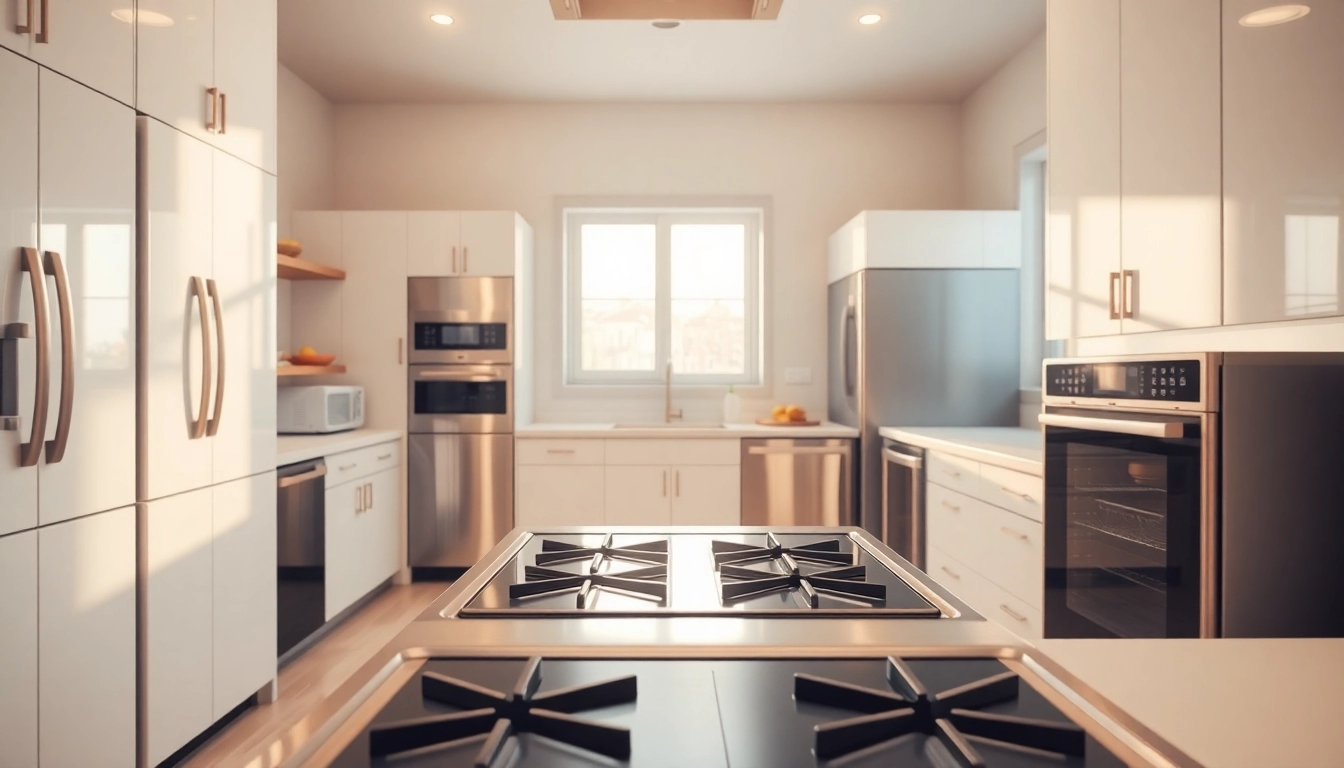
Understanding Home Appliances
Definition and Types of Home Appliances
Home appliances are essential tools in our daily lives that streamline cooking, laundry, cleaning, and other household tasks. They can be categorized into two main types: major appliances and small appliances. Major appliances include larger equipment like refrigerators, ovens, and washers, while small appliances consist of items such as microwaves, blenders, and toasters. Understanding the various types of home appliances is crucial for making informed purchasing decisions.
The Role of Home Appliances in Modern Living
In today’s fast-paced world, home appliances play an indispensable role in maintaining our quality of life. They not only save us time but also enhance efficiency and convenience. For instance, modern washing machines with advanced technology can complete loads in less time, allowing families to manage their schedules better. Furthermore, home appliances equipped with smart features contribute to improved energy efficiency, saving both time and money in the long run.
Benefits of Upgrading Your Home Appliances
Upgrading to new home appliances can lead to a multitude of benefits. Newer models often come equipped with advanced energy-efficient technology, which can significantly reduce utility bills. Beyond savings, modern appliances often include features that make them more user-friendly and versatile. For example, smart ovens can be controlled via smartphone apps, providing convenience that older models simply do not offer. Additionally, improved safety features across home appliances help to prevent accidents, making your home a safer place for everyone.
Key Features to Evaluate
Energy Efficiency Ratings
When purchasing home appliances, one crucial feature to consider is energy efficiency. Appliances come with Energy Star ratings that indicate their energy consumption levels. Higher ratings correlate with lower energy usage, which can lead to significant savings over time. Consumers should look for models that not only meet but exceed the minimum energy standards, especially for high-energy-use appliances like refrigerators and air conditioners.
Size and Space Considerations
Another important aspect to evaluate is size. It’s essential to measure the available space in your home to ensure a good fit. Appliances that are too large may obstruct movement or be difficult to install, while those that are too small may not meet your needs. Additionally, consider the layout of your kitchen or laundry area; for example, built-in appliances can save space while adding a sleek look to your design.
Smart Technology Features
As technology advances, smart features in home appliances have become increasingly prevalent. Appliances with smart technology allow users to monitor and control them remotely, which can optimize energy usage and enhance convenience. Features such as voice control and automated scheduling are invaluable for households managing busy lifestyles. When evaluating appliances, consider whether the investment in smart technology will provide you with long-term benefits.
Popular Home Appliances on the Market
Refrigerators: Styles and Innovations
Refrigerators are arguably one of the most critical home appliances. Today’s market offers an array of styles including top freezer, bottom freezer, side-by-side, and French door models. Innovations such as built-in water dispensers, ice makers, and smart technology that tracks expiration dates have transformed refrigerators into central hubs of the kitchen. Many models now include flexible shelving, temperature controls, and energy-saving modes, ensuring that both form and function are prioritized.
Washers and Dryers: Efficiency Meets Convenience
Modern washers and dryers are designed to cater to the needs of today’s families. With features such as high-efficiency ratings and steam cleaning options, these appliances provide effective cleaning while conserving water and energy. Front-loading washers, which use less water and energy than their top-loading counterparts, are becoming increasingly popular. Moreover, many machines now offer smart capabilities that allow users to monitor cycles and receive alerts when laundry is done.
Cooking Appliances: Ovens and Stovetops Explained
Cooking appliances are essential for preparing meals efficiently. Ovens come in various types, including conventional, convection, and wall-mounted models. Convection ovens, which circulate hot air, are ideal for achieving even cooking results. Stovetops too have evolved, with options like induction cooking that provide faster heating and safety features that automatically shut off when not in use. Understanding the benefits and functions of these cooking tools ensures that you can choose the right equipment for your culinary needs.
Buying Guide for Home Appliances
Setting a Budget for Home Appliances
Establishing a budget is a crucial step when planning to purchase home appliances. Consider not only the initial cost but also the potential operating expenses that may arise over time, such as electricity and maintenance. It’s wise to allocate funds for additional features that add convenience or efficiency, as these will provide lasting value. Setting a realistic budget enables you to find an appliance that fits your needs without overspending.
Where to Buy Home Appliances
Home appliances can be purchased from several venues, including big-box retailers, specialty appliance stores, and online marketplaces. Each option has its pros and cons; for instance, physical stores allow you to see and test appliances in person, while online marketplaces often feature competitive pricing and home delivery services. Whichever route you choose, ensure that the retailer offers a reliable warranty and return policy to protect your investment.
Tips for Research and Comparison
Researching and comparing appliances can seem overwhelming due to the vast variety available. Start by reading consumer reviews and expert recommendations. Online comparison tools and resources can help illuminate differences in features and pricing. Look closely at warranties and after-sales service, as these will enhance the overall value of your purchase. Making an informed decision by gathering information will ensure you select the best appliances for your home.
Maintenance and Care for Home Appliances
Routine Cleaning Tips
Maintaining your home appliances is vital to extending their lifespan and ensuring optimal performance. Regular cleaning of components like filters and coils, whether in refrigerators or washing machines, will prevent malfunctions. For smaller appliances like blenders and toasters, disassembling and washing removable parts can help maintain hygiene and performance. Always ensure that appliances are unplugged during cleaning to enhance safety.
Common Issues and Troubleshooting
Familiarizing yourself with common appliance problems can save you time and money. Issues such as a refrigerator not cooling properly or a washing machine not spinning can often be resolved with basic troubleshooting. Checking power sources, resetting settings, or cleaning vents might resolve many minor problems. When facing persistent issues, consulting a professional may be necessary to prevent further damage.
When to Replace Your Home Appliances
Knowing when to replace your home appliances can be challenging. Generally, if an appliance is over 10 years old, requiring frequent repairs, or no longer meets your needs, it may be time to consider a replacement. Technological advances in energy efficiency and performance often make new models a better investment in the long run. Monitoring your appliance’s performance can help you make timely and cost-efficient decisions.
Frequently Asked Questions (FAQs)
What are the energy efficiency ratings and why are they important?
Energy efficiency ratings indicate how much energy an appliance uses. Higher ratings mean less energy consumption, leading to lower utility bills and reduced environmental impact.
How do I know what size appliance I need?
To determine the right size, measure the available space in your home and consider the appliance’s dimensions, ensuring it fits comfortably while allowing for adequate ventilation.
Are smart appliances worth the investment?
Smart appliances offer convenience, time savings, and energy efficiency. While initial costs may be higher, long-term savings and functionality often justify the investment.
When is the best time to buy home appliances?
The best time to buy appliances is during holiday sales or end-of-season promotions when retailers offer significant discounts and deals on older models.
How often should I clean my home appliances?
Routine cleaning should be done regularly, at least once a month. However, some parts, like refrigerator coils and filters, may need more frequent attention to maintain efficiency.