

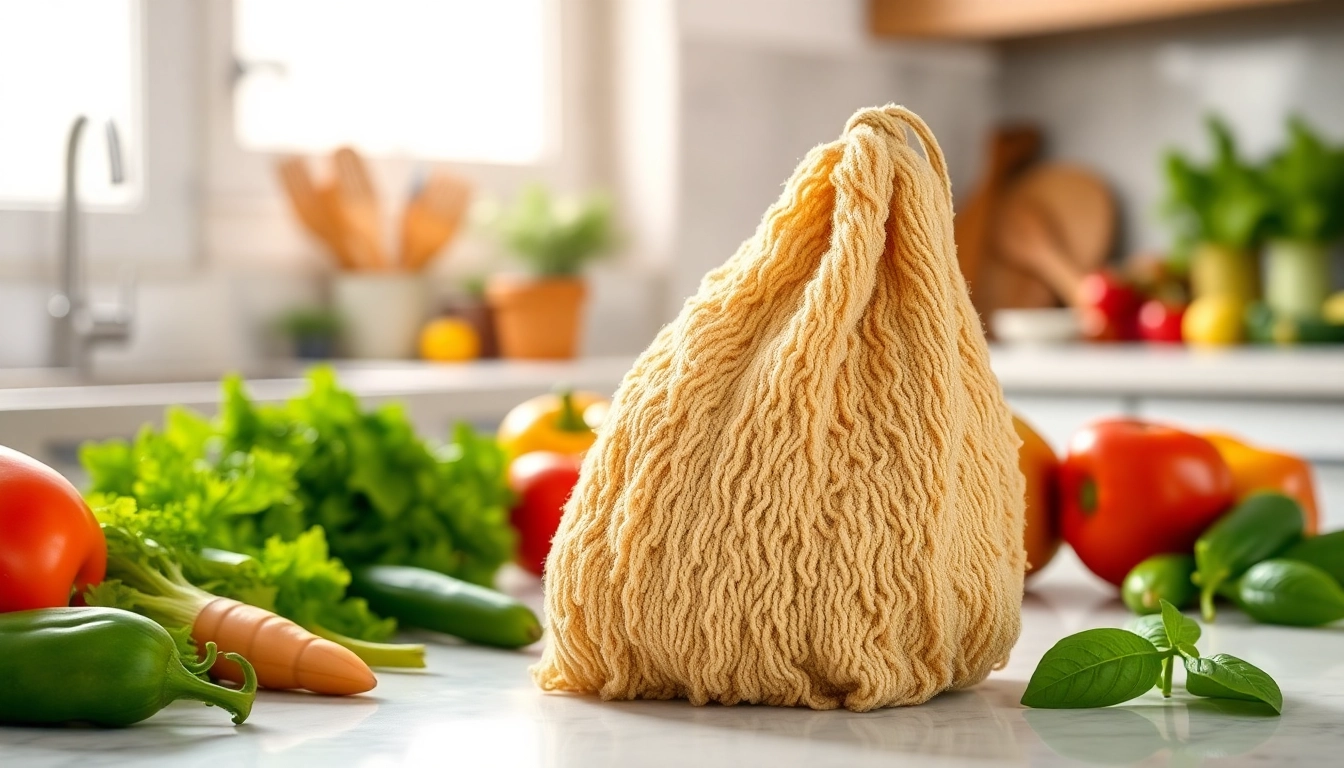
Understanding the Kitchen Loofah Benefits
What is a Kitchen Loofah?
A kitchen loofah, often mistaken for a sponge, is a natural cleaning tool made from the fibrous interior of the loofah plant (Luffa aegyptiaca). Unlike synthetic alternatives, kitchen loofahs are biodegradable and eco-friendly, making them an excellent choice for environmentally conscious individuals. Often used to scrub various surfaces and utensils, kitchen loofahs offer cleaning power that is both effective and gentle, ensuring that kitchen hygiene is upheld without the use of harsh chemicals.
Key Benefits for Kitchen Hygiene
The kitchen is a hub of activity and requires cleanliness for a healthy cooking environment. One of the standout kitchen loofah benefits is its ability to reduce bacterial growth due to its natural fibers, which are less likely to harbor bacteria compared to conventional sponges. Their porous structure allows for effective scrubbing while rinsing away food residues effortlessly. Furthermore, kitchen loofahs do not retain odors as easily as synthetic materials, promoting a fresher, cleaner workspace.
How Kitchen Loofah Enhances Food Preparation
When it comes to food preparation, cleanliness is non-negotiable. Using a kitchen loofah while washing fruits and vegetables can help remove dirt, pesticides, and waxes effectively. Its texture allows for thorough cleaning without damaging delicate surfaces. Moreover, maintaining clean tools means you’re setting the foundation for safe food handling, which can impact the overall quality and safety of the meals prepared.
Using Kitchen Loofah for Cleaning
Best Practices for Maintaining a Kitchen Loofah
To reap the full benefits of your kitchen loofah, proper maintenance is essential. Rinse the loofah thoroughly after each use to remove food particles. It’s advisable to soak it periodically in a solution of water and vinegar to sanitize it naturally. Allow it to dry completely to prevent mold and bacteria growth. Regularly inspect your loofah for signs of wear, and replace it when necessary—typically every 4 to 6 weeks.
Eco-friendly Cleaning Solutions
Utilizing a kitchen loofah in conjunction with eco-friendly cleaning solutions can amplify its cleaning effectiveness. Simple mixtures of baking soda and vinegar can provide a powerful scrubbing agent without harsh chemicals. These natural solutions are safe for the environment and your kitchen tools, making them an ideal pairing with the loofah.
Comparing Kitchen Loofah to Other Cleaning Tools
When examined closely, kitchen loofahs stand out compared to synthetic sponges, scrub brushes, and other cleaning tools. They are more sustainable, as they decompose naturally, whereas synthetic options may take hundreds of years to break down. In terms of cleaning abilities, kitchen loofahs are less abrasive than scrub brushes but offer the right level of texture for scrubbing dishes and surfaces effectively. The environmental impact of using a kitchen loofah far outweighs that of traditional synthetic cleaning tools.
Nutritional Aspects of Kitchen-Prepared Foods
How Cleanliness Affects Food Safety
Food safety is intrinsically linked to cleanliness in the kitchen. Bacterial contamination can lead to foodborne illnesses. Regularly using a clean kitchen loofah ensures that surfaces and utensils do not cross-contaminate fresh produce with harmful bacteria. By prioritizing cleanliness, you are taking necessary steps to ensure the safety of your meals, promoting better health for you and your family.
Maximizing Nutritional Value with Clean Tools
Using clean tools, including kitchen loofahs, contributes significantly to maintaining the nutritional value of foods. Cleanliness prevents the loss of vitamins and nutrients that can occur when food comes into contact with contaminated surfaces. To get the most out of your ingredients, incorporate the kitchen loofah as part of your food prep routine, ensuring that all surfaces are free from contaminants.
Fresh Ingredients and Their Impact on Health
Fresh ingredients are critical to healthy cooking. The use of a kitchen loofah to ensure that vegetables and fruits are clean before preparation allows for the retention of their health benefits. With proper cleaning, you can enjoy the full flavor and nutritional benefits of fresh produce, promoting a healthier lifestyle.
Integrating Kitchen Loofah in Daily Routines
Routine Maintenance of Your Kitchen Loofah
Integrating kitchen loofah maintenance into your daily routine is essential for its effectiveness. Establish a habit of cleaning the loofah after each use, and schedule a weekly deep clean using a vinegar soak. Knowing when to replace the loofah is also vital to ensuring it continues to work effectively. Keeping a calendar reminder can help with this.
Creative Ways to Use a Kitchen Loofah
Kitchen loofahs can be applied in various ways beyond just scrubbing dishes. They can be used for cleaning countertops, kitchen appliances, and even some pots and pans. Some individuals have even found creative uses such as crafting loofah sponges for bath or skincare routines, showcasing their versatility in both culinary and personal care.
Benefits of Regular Replacement
To fully realize the benefits of a kitchen loofah, it is recommended to replace it regularly. Not only does old kitchen loofah lose its effectiveness, but it can also become a breeding ground for bacteria. Regular replacement ensures that you are getting the best cleaning performance alongside a hygienic experience in your kitchen.
Frequently Asked Questions about Kitchen Loofah Benefits
How do kitchen loofah benefits enhance food processing?
Kitchen loofahs enhance food processing by ensuring cleanliness, which is crucial in preventing cross-contamination and maintaining food safety.
Can a kitchen loofah be used for surface cleaning?
Yes, kitchen loofahs are ideal for cleaning surfaces as they provide a gentle yet effective scrubbing ability without scratching surfaces.
What are the environmental benefits of using kitchen loofah?
Kitchen loofahs are biodegradable and compostable, reducing waste compared to synthetic sponges that take years to decompose.
How often should you replace your kitchen loofah?
It is recommended to replace your kitchen loofah every 4 to 6 weeks to ensure optimal cleanliness and effectiveness.
Are there any health benefits associated with using kitchen loofah?
Using kitchen loofahs promotes healthier cooking by minimizing the risk of bacterial contamination, thus safeguarding your meals.