

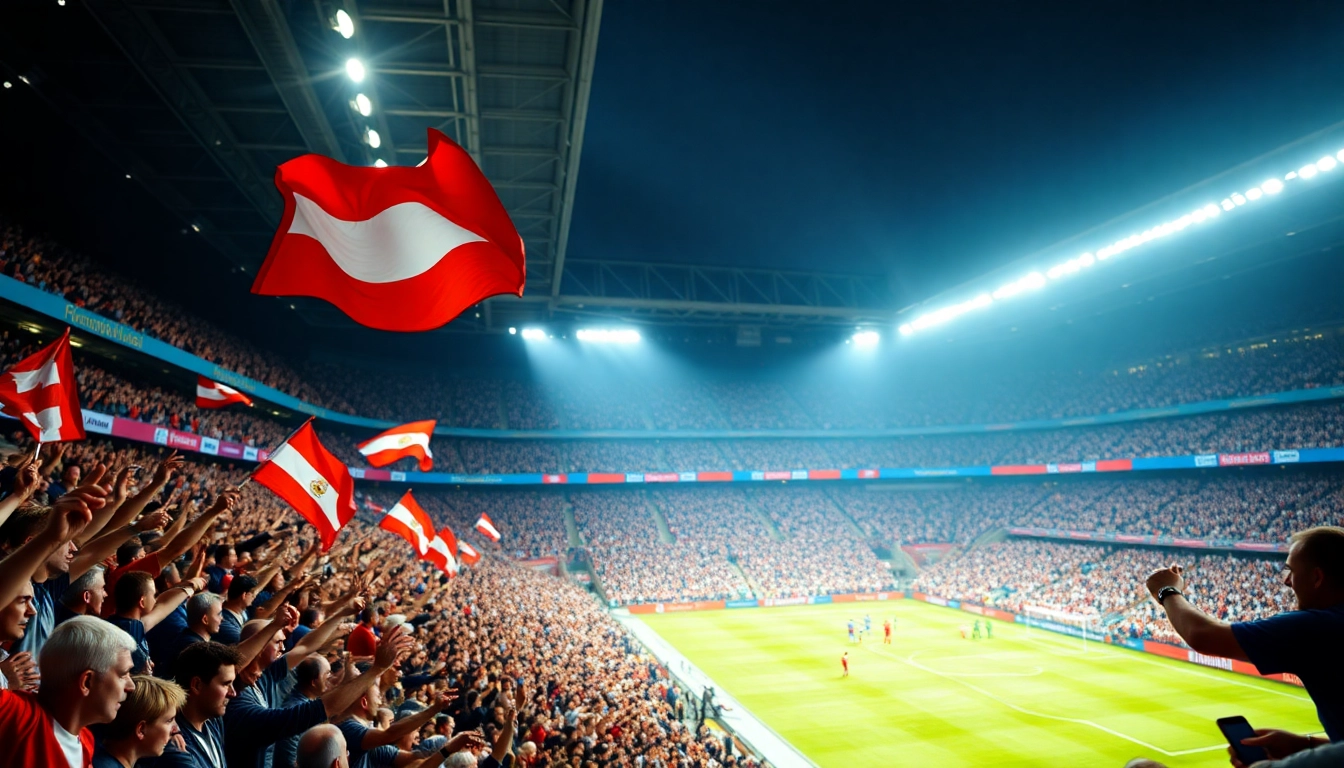
Understanding the Significance of ผลบอลยูฟ่าแชมป์เปียนลีก
The ผลบอลยูฟ่าแชมป์เปียนลีก represents not just a series of matches but a cultural phenomenon that captivates soccer fans worldwide. Established to showcase the best clubs from Europe, this league has significantly influenced the way soccer is consumed and perceived globally. With a rich history and thrilling matches, understanding its significance is key for any soccer enthusiast.
History and Evolution of the League
The origins of the UEFA Champions League, known as the Europacup, date back to 1955. It began as a straightforward knockout competition with limited teams participating. However, its evolution into the present structure demonstrates the increasing commercial value and the growing prestige associated with European club soccer. The league transformed from mere participation to a celebration of talent, with an influx of great players and monumental matches.
Over the decades, the league has adapted various formats. In 1992, the formation of group stages introduced a new level of competition, allowing more clubs to participate and providing fans with a richer viewing experience. This shift marked the beginning of a more inclusive and competitive environment, leading to the contemporary format we enjoy today.
Key Teams and Players to Watch
Each season of the Champions League brings a mix of seasoned clubs and emerging contenders. Teams like Real Madrid, FC Barcelona, and Bayern Munich have historically dominated the league, each bringing their unique style and storied rivalry. Emerging clubs such as Manchester City and Paris Saint-Germain have also made significant impacts, often shaking up traditional expectations.
Moreover, the league routinely features world-class talent. Players like Cristiano Ronaldo and Lionel Messi have historically set records and defined eras within the competition. Currently, young stars such as Kylian Mbappé and Erling Haaland are taking center stage, eager to carve their names in Champions League history.
Impact on Global Soccer Culture
The influence of the Champions League extends beyond the pitch. It has altered fan culture, encouraging international viewership and generating local rivalries that resonate globally. Match days become significant events where fans gather in homes and pubs, fostering community spirit around shared passion.
Furthermore, the revenue generated from the league underscores its economic impact. Clubs benefit from substantial television deals, sponsorships, and merchandise sales. This financial influx allows for investment in player development, enhancing the quality of soccer globally.
How the ผลบอลยูฟ่าแชมป์เปียนลีก is Structured
The Group Stage Explained
The league format begins with the group stage, a fiercely contested qualification round where 32 teams are divided into eight groups. Each team plays others in their group in a home-and-away format, culminating in a straightforward points system — three points for a win, one for a draw, and none for a loss.
This stage not only sets the tone for the tournament but allows for unexpected outcomes, as underdog teams can showcase their talent against established giants. The top two teams from each group proceed to the knockout rounds, making every match pivotal for the clubs involved.
Knockout Rounds and Their Importance
The knockout stage is where the intensity truly ramps up, featuring single-elimination matches. This format contributes to drama and unpredictability; each match is critical and offers high stakes for the competing clubs. Notably, the aggregate score decides who advances, leading to nail-biting scenarios for fans.
The final match is the pinnacle of club competition, often termed “the biggest match in club football,” further emphasizing the prestige associated with winning the Champions League. Teams strive for this title not just for glory but for the immense financial rewards that come with it.
Points and Match Scoring System
Understanding the points system is crucial for following the league effectively. In the group stage, points are awarded based on the results of each match. Wins lead to rich rewards, while draws ensure that teams maintain some hope of progressing through the stages. The focus remains on accumulating points over several matches to secure advancement.
The knockout rounds, however, change the calculus entirely. Teams must be strategic in balance — scoring enough to advance, managing leads, and sometimes even playing defensively to secure valuable away goals. This balance drives narrative and strategy throughout the tournament.
Analyzing Recent Trends in the League
Performance Metrics of Top Teams
In the realm of the Champions League, performance metrics are critical to understanding team success. Metrics such as possession percentages, shots on goal, and passing accuracy offer insights into how teams can exploit opponents and adapt their strategies.
Recent trends have seen a shift towards a more attacking style of play, with teams emphasizing speed and skill, often leading to higher-scoring games. Statistical analysis tools now enable fans and analysts alike to track these metrics and ascertain which clubs possess a competitive edge.
Fan Engagement Strategies
Sustaining fan interest in the Champions League has become more complex as digital platforms proliferate. Teams and the league itself employ various engagement strategies, including interactive content on social media, exclusive behind-the-scenes access, and fan voting for Player of the Match awards. This approach connects fans to the teams beyond match days, cultivating deeper loyalty.
Moreover, gamification tactics during the tournament enhance viewer interest, with fantasy leagues and predictor games encouraging fans to invest in the competition’s outcomes actively.
How Media Coverage Influences Perception
Media coverage greatly influences public perception and adds to the drama of the Champions League. The extensive reporting on the league shapes narratives around clubs and players. Coverage often highlights underdog stories, tactical analysis, and post-match reactions, which contribute to the overall spectacle.
Additionally, the role of social media has shifted the landscape of how fans interact with the league. Instant updates, comments, and fan reactions create vibrant community discussions that enhance the viewing experience and foster a global connection among supporters.
Best Practices for Following and Enjoying the League
Where to Watch Live Matches
The experience of watching a live match in real-time is unparalleled. Fans today have a variety of options to choose from, including broadcasting networks and online streaming platforms. Understanding various platforms’ accessibility is crucial, as each season may bring changes to broadcasting rights.
Local sports bars also offer a communal experience, allowing fans to gather and cheer for their teams. Engaging with fellow fans amplifies the excitement and camaraderie surrounding the matches.
Using Apps for Real-Time Updates
For fans who can’t catch every live match, utilizing sports apps can keep you updated with real-time scores, match highlights, and player statistics. Many apps offer personalized notifications, ensuring you never miss a moment from the Champions League.
Popular sports apps feature user-friendly interfaces and extensive coverage, including press conference insights and player interviews that enhance fan engagement through enhanced knowledge of team dynamics.
Joining Fan Communities for Discussions
Joining online forums and social media groups can significantly deepen your understanding of the league. Fans can share opinions, analyses, and predictions, enriching the overall experience of following the Champions League. These communities often serve as hotspots for discussing tactical evolutions and speculating on upcoming fixtures.
Moreover, these platforms create opportunities to connect with like-minded individuals, further enhancing the enjoyment of engaging in discussions about favorite teams and players.
Frequently Asked Questions about ผลบอลยูฟ่าแชมป์เปียนลีก
What is the format of the league?
The league consists of two main stages: the group stage, followed by knockout rounds. Teams compete within their groups, with the top two advancing to the highly competitive knockout phase.
How are teams selected for participation?
Teams qualify based on their performance in respective domestic leagues and national cup competitions. Additional slots are available based on UEFA coefficient rankings for various countries.
Can I follow the matches online?
Yes, numerous streaming services and sports websites provide live coverage and updates on matches, ensuring fans can follow their favorite teams wherever they are.
What are common strategies used by winning teams?
Successfully navigating the tournament often requires a balance of aggressive offense and strategic defense. Teams typically focus on ball possession while leveraging quick counterattacks.
How can I stay updated on league news?
Following sports news websites, subscribing to newsletters, and engaging with official league social media accounts can provide the latest updates and insights about the league and teams.