

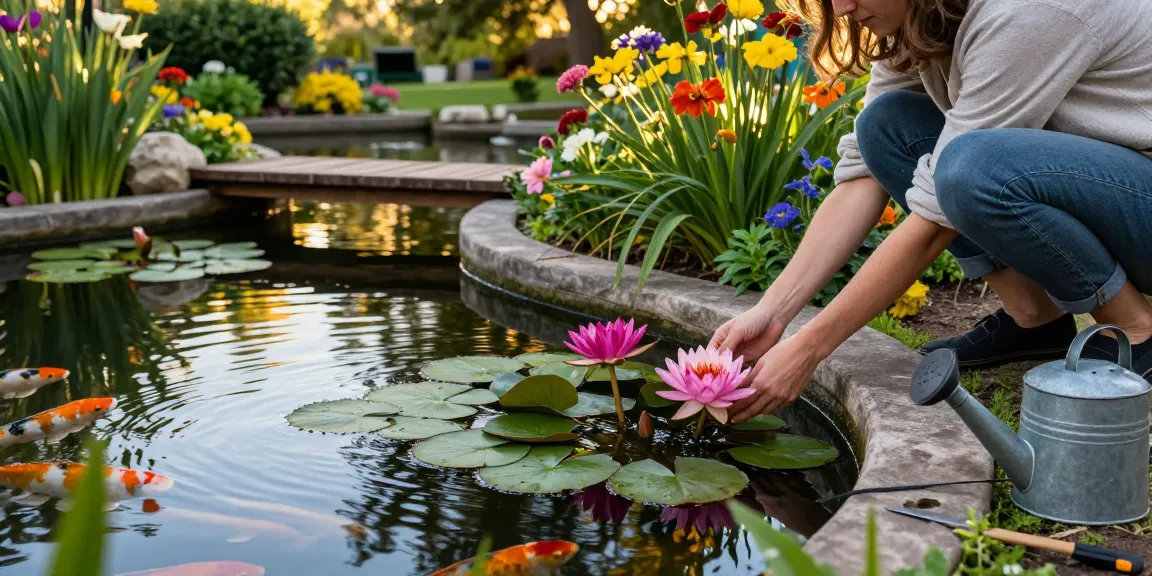
Understanding the Importance of Water Lilies in Your Pond
Water lilies are not just beautiful additions to aquatic gardens; they play a crucial role in enhancing the overall health and aesthetics of your pond. By choosing to Buy Water Lilies, you’re investing in a vibrant ecosystem that benefits both your enjoyment and the environment. In this guide, we’ll delve into the numerous advantages of incorporating these stunning plants into your pond.
Why Buy Water Lilies for Aesthetic Appeal?
One of the primary reasons to buy water lilies is their captivating beauty. Their lush foliage and vibrant blooms add a touch of elegance and tranquility to any pond. Available in various colors including white, pink, and yellow, water lilies can create a stunning visual contrast against the blue of the water and the green of surrounding plants. They provide a serene setting, often becoming the centerpiece of backyard ponds or water features.
Ecological Benefits of Water Lilies in Ponds
Beyond aesthetics, water lilies contribute significantly to pond health. They offer shade, which helps regulate water temperature and creates a habitat for fish and other aquatic life. The leaves provide shelter and protection for small fish and amphibians, while their root systems help stabilize pond substrates, reducing erosion. Additionally, water lilies improve water quality through photosynthesis, oxygenating the water and helping to reduce algae growth.
Common Misconceptions About Water Lilies
Despite their many benefits, water lilies are sometimes misunderstood. One common misconception is that they require extensive maintenance. In reality, once established, water lilies are relatively low-maintenance. Another misconception is that they can overcrowd a pond; while they can spread, careful selection and management can keep them in check and ensure a balanced ecosystem.
Choosing the Right Varieties of Water Lilies
Top Water Lily Varieties to Consider
When looking to buy water lilies, it’s important to understand the variety options available. Popular choices include the classic Nymphaea varieties, such as ‘General Deppe’ with its striking pink flowers and the fragrant white ‘Gonnere’. Moreover, there are also hardy and tropical water lilies, each suited for different climates and pond conditions.
Factors Influencing Water Lily Selection
Several factors can influence the selection of water lilies for your pond. Consider the climate where you live, as some varieties thrive better in warmer conditions while others are resilient in cooler environments. Additionally, assess your pond’s depth and sunlight exposure, as these factors can affect growth and flowering.
Seasonal Availability and Planting Tips
Water lilies are typically available for purchase during spring and early summer, making this the ideal time to plant them. When planting, choose a location with ample sunlight (at least 6 hours daily) to promote flowering. Utilize aquatic planting baskets filled with a mix of loamy soil and clay to anchor the roots effectively.
Optimal Planting Techniques for Water Lilies
Step-by-Step Guide to Planting Water Lilies
- Select a healthy water lily from a reputable source.
- Use a planting basket or pot that allows for water flow but prevents soil from washing away.
- Fill the pot with a mix of aquatic soil and clay, placing the rhizome at the bottom.
- Submerge the pot in the pond at the appropriate depth for the variety you have chosen.
- Monitor the water level and adjust as needed to ensure healthy growth.
Creating the Ideal Environment for Growth
Water lilies thrive in calm waters, so it’s essential to ensure your pond has minimal water movement. Incorporating rocks or other decorative elements can create sheltered spaces, allowing them to flourish. Additionally, maintaining water quality is crucial; check regularly for pH levels and clarity to give your plants the best chance of success.
Maintenance Tips for Healthy Water Lilies
To keep your water lilies healthy, regular maintenance is key. Ensure that you remove any dead leaves and flowers to prevent decay and maintain water quality. Fertilization is also beneficial; use specialized aquatic fertilizers sparingly, following manufacturer guidelines. During the winter months, if you live in colder climates, consider moving tender varieties indoors to protect them from frost.
Enhancing Your Pond Ecosystem with Water Lilies
Complementary Plants to Pair with Water Lilies
Water lilies can be beautifully complemented by other aquatic plants such as lotus, iris, and water hyacinth. These plants provide additional layers of visual interest and contribute to the biodiversity of your pond ecosystem. Creating a varied plant community not only enhances aesthetics but also provides habitat for different wildlife species.
Creating a Balanced Aquatic Environment
To create a successful pond ecosystem, it’s crucial to achieve a balance between plant and animal life. Water lilies are essential in this regard, as they help reduce algae blooms by competing for nutrients. Incorporating fish, such as goldfish or koi, can also assist in managing pest populations, creating a self-sustaining environment.
Monitoring and Managing Pond Health
Regular monitoring of pond health is vital for maintaining a thriving ecosystem. This includes checking for excess algae, assessing water clarity, and examining the condition of both plants and fish. Implementing a balanced feeding regimen for fish and using natural treatments for algae can promote a healthy habitat for all aquatic life.
Future Trends in Aquatic Gardening and Water Lilies
Emerging Trends in Water Lily Cultivation for 2026
The future of aquatic gardening is poised to adapt to changing climates and consumer preferences. In 2026, we may see increased interest in eco-friendly gardening practices that emphasize native plants, including water lilies. As more gardeners become aware of sustainable practices, they will seek out native water lily varieties that support local ecosystems.
Innovative Products Supporting Aquatic Plant Growth
As technology advances, new products dedicated to supporting aquatic plant growth are emerging. Innovations such as customizable aquascape kits and eco-friendly fertilizers are becoming popular. These products simplify the care process and encourage more gardeners to experiment with water lilies and other aquatic plants.
How Technology is Shaping Aquatic Gardening Practices
Digital tools and resources are revolutionizing aquatic gardening. Mobile applications that help monitor water quality and plant health are becoming more prevalent. Additionally, online communities and forums enable gardeners to share their experiences and knowledge, further promoting the successful cultivation of water lilies and other aquatic flora.
What are the benefits of adding water lilies to my pond?
Adding water lilies enhances the beauty of your pond, promotes biodiversity, and improves water quality by providing shade and oxygen. They also serve as a habitat for fish and other aquatic creatures, contributing to a healthier ecosystem.
How do I choose the best water lilies for my specific pond?
Consider your local climate, pond depth, and sunlight exposure when selecting water lilies. Hardy varieties are suitable for cooler climates, while tropical types generally thrive in warmer conditions. Assessing these factors will help you make an informed choice.
What are common problems when growing water lilies?
Common challenges include algae overgrowth, pest infestations, and insufficient sunlight. Regular maintenance, such as removing dead foliage and monitoring water quality, can help prevent these issues and promote healthy growth.
Can I grow water lilies in container gardens?
Yes, water lilies can be successfully grown in containers, making them ideal for smaller spaces or patio gardens. Ensure that the pot is large enough to accommodate the root system and use aquatic soil to support growth.
What should I do to maintain my water lily plants?
Maintenance involves regularly removing dead plant material, checking for pests, and ensuring proper sunlight exposure. Fertilizing during the growing season can also boost growth and flowering.