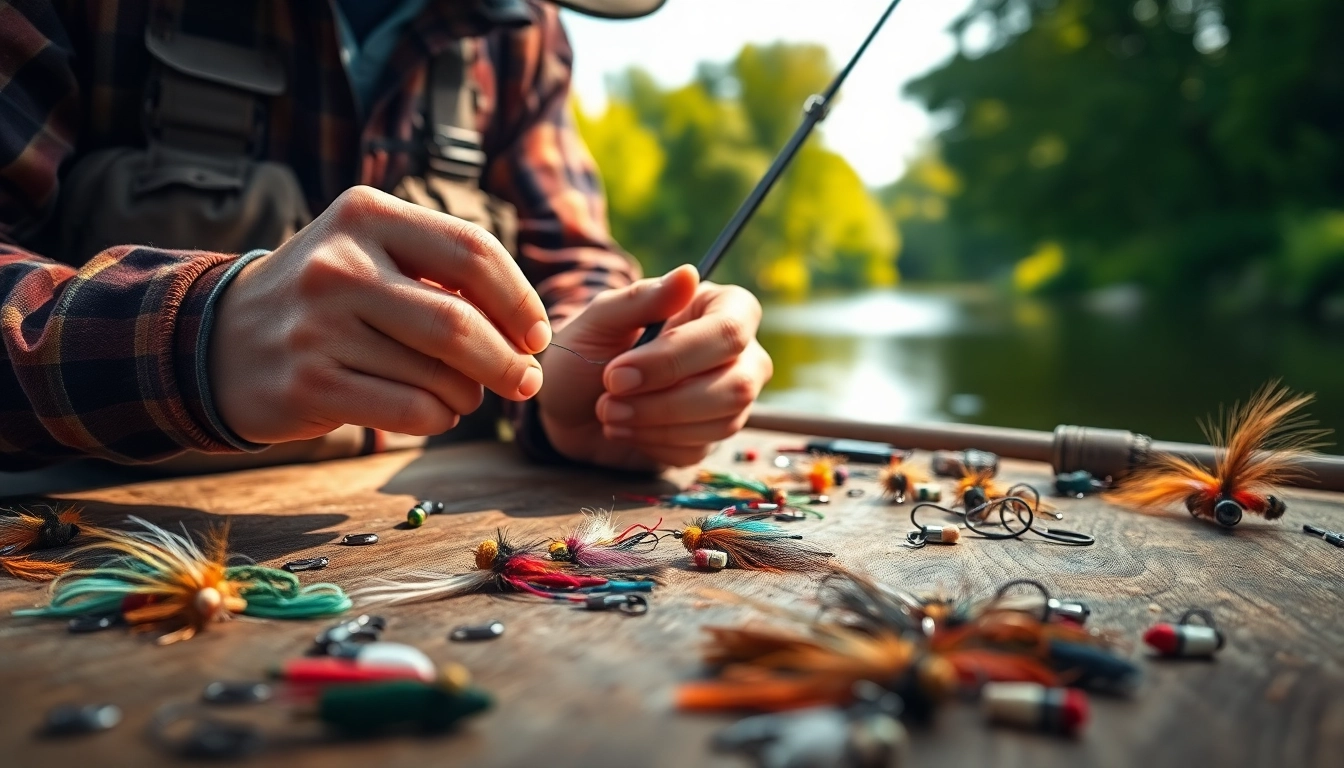
Understanding the Best Fly Fishing Rods
When it comes to fly fishing, choosing the right rod can significantly enhance your experience in the water. Selecting the Best fly fishing rods requires an understanding of various factors that contribute to a rod's performance and suitability for different fishing styles and conditions. This comprehensive guide will explore the essential characteristics that make a fly rod great, the types available, and tips for choosing the right rod based on your unique fishing needs.
What Makes a Fly Rod Great?
A great fly rod is more than just a stick; it's an engineered tool designed to transfer energy efficiently, allow for precise casting, and manage various line weights. Several crucial factors define the excellence of a fly rod:
- Material: Most high-quality fly rods are made from graphite or fiberglass. Graphite offers sensitivity and lightweight characteristics, while fiberglass is more durable and flexible.
- Action: Action refers to how much the rod bends when pressure is applied. Fast action rods bend mostly at the tip and are suitable for quick casting, while slow action rods bend throughout their length, offering better control.
- Length: The length of a rod has a significant impact on casting distance and accuracy. Shorter rods provide more control, while longer rods allow for greater distance.
- Weight: Different fly lines require different rod weights. Understanding how weight affects casting style and distance is key to choosing the right rod.
Types of Fly Fishing Rods Explained
Understanding the different types of fly fishing rods available can help you select the most suitable one for your fishing style:
- Freshwater Fly Rods: Designed primarily for use in lakes, rivers, and streams, freshwater rods are ideal for targeting species like trout, bass, and panfish.
- Saltwater Fly Rods: These rods are built to withstand harsh saltwater conditions and target species such as tarpon, bonefish, and permit.
- Travel Fly Rods: Often designed to be lightweight and packable, these rods are perfect for anglers who travel frequently and may encounter diverse fishing environments.
- Specialty Fly Rods: These rods cater to specific fishing techniques or species, such as spey rods for two-handed casting or switch rods that blend the properties of single-handed and spey rods.
Choosing the Right Weight for Your Needs
The weight of a fly rod must match the type of fishing you plan to undertake. Here’s a general guideline for selecting the right rod weight:
- 2-4 Weight: Ideal for small freshwater species like brook trout and is suitable for delicate presentations in small streams.
- 5-7 Weight: The most common all-purpose rods suitable for medium-sized freshwater fish and some light saltwater species.
- 8-10 Weight: Perfect for larger freshwater fish and saltwater species, these rods can handle heavy line and bigger flies.
- 11+ Weight: Designed for targeting larger game fish in saltwater environments, such as tarpon or shark.
Best Fly Fishing Rods for Beginners
Getting started in fly fishing can be overwhelming, but selecting the right rod can make the learning process smoother and more enjoyable. Here are tips and recommendations for beginner anglers.
Top Features to Look For
For newcomers to fly fishing, focusing on a few key features can simplify the selection process:
- Affordable Pricing: Beginners should look for cost-effective options that provide good performance without breaking the bank.
- Medium Action: A medium action rod provides a balance of flexibility and power, making it easier to cast and control the line.
- Lightweight Design: A lightweight rod that balances well reduces fatigue during longer fishing sessions, allowing for a more enjoyable experience.
Affordable Options That Don't Compromise Quality
Several affordable rods offer great value for beginners without sacrificing performance:
- Composite Rods: These rods blend materials like fiberglass and graphite to offer a balance of weight, flexibility, and durability.
- Pre-Made Kits: Many brands offer beginner kits that include a rod, reel, line, and basic accessories.
- Local Brands: Look for reputable local brands that specialize in fly rods and reels; they often have lower prices than larger companies.
Beginner's Guide: How to Test a Rod Before Buying
When purchasing a fly rod, consider the following tips to ensure you make a suitable choice:
- In-Store Testing: Visit a local retailer and feel the rod's weight and action. If possible, try casting with it to assess its performance.
- Check Reviews: Research reviews and ratings from other novice anglers to gauge user experience with different models.
- Ask for Recommendations: Consult experienced angler friends or community forums for their opinions on beginner-friendly options.
Advanced Options for Experienced Anglers
For seasoned anglers, the right fly rod can open up new techniques and fishing opportunities. Advanced rod selection considers not only performance but also specialized application.
High-End Materials and Their Benefits
Using high-quality materials can enhance your fly fishing experience significantly. Some top materials include:
- Graphite: Known for its sensitivity and lightweight properties, graphite offers an excellent stiffness-to-weight ratio.
- Sustainable Bamboo: Some rods use bamboo for its aesthetic beauty and superior casting feel.
- Advanced Composites: Newer composite materials provide durability while maintaining lightweight properties.
Matching Rods with Specific Fishing Techniques
Understanding how to match a rod to specific fishing techniques is crucial for experienced anglers:
- Dry Fly Fishing: A softer action rod allows for careful presentations and prevents spooking the fish.
- Streamer Fishing: A fast action rod is beneficial for casting larger flies with heavy sinking lines.
- Euro Nymphing: Lightweight rods with sensitive tips provide better feedback when detecting bites.
Custom Rod Building: A Personal Touch
For the discerning angler, building a custom rod can result in a unique tool tailored precisely to personal specifications:
- Selecting Components: Choose the rod blank, grip style, guides, and reel seat to create a personalized configuration.
- Customization Options: Personalize with custom colors or engravings, making your rod truly one-of-a-kind.
- Expert Assistance: Many specialty shops offer custom rod building services for those unable to construct it themselves.
Emphasizing Comfort and Performance
Beyond functionality, anglers must prioritize comfort and performance when selecting fly rods to enhance their fishing experiences.
Ergonomic Designs: Why They Matter
Comfortable rod designs can prevent fatigue during long fishing outings. Consider these ergonomic features:
- Contoured Grips: Rod grips shaped to fit the hand reduce stress on the wrist and improve casting accuracy.
- Weight Distribution: A well-balanced rod feels easier to handle, minimizing fatigue.
Understanding Action and Sensitivity
The action of a fly rod dictates its responsiveness and sensitivity:
- Fast Action: Offers quick response and distance but may be more challenging to control for beginners.
- Medium Action: A good balance allowing for accurate casting and effective hook-setting.
- Slow Action: Best for delicate presentations and less demanding conditions, enhancing feedback.
Balancing Your Gear for Optimal Casting
Achieving balance among all your gear elements—including the rod, reel, and line—can enhance casting performance:
- Matching Line Weight: Ensure that the line's weight corresponds with the rod's specified weight for optimal performance.
- Reel Selection: Pick a reel that complements the rod's weight and action for better control and handling.
Frequently Asked Questions
How do I know which fly rod length is right for me?
The optimal rod length depends on your fishing location and target species. Longer rods excel in open waters for distance, while shorter rods provide more control in tight spaces.
What are the benefits of using a 4-weight rod vs. a 6-weight?
A 4-weight rod is lighter and offers more finesse for small fish, whereas a 6-weight provides better power for larger fish and windier conditions.
Can I use a fly rod for different types of fish?
Yes, fly rods can be versatile. However, choosing the right weight and length tailored to the specific fish type and environment is important for optimal performance.
What is the importance of rod action in fly fishing?
Rod action affects casting distance, presentation, and control. Fast action rods excel in quick casts, while slow action rods offer better sensitivity and control with delicate presentations.
How should I maintain my fly rods for longevity?
Rinse your rods in freshwater after use, avoid extreme temperatures, and inspect guides and ferrules regularly for optimal preservation and performance.