
As manufacturing industries continue to face rising labor expenses and increasing production demands, businesses are searching for innovative ways to improve operational efficiency. Modern production facilities must balance productivity, quality, and cost control while remaining competitive in a rapidly evolving marketplace. One of the most effective solutions helping manufacturers achieve these goals is intelligent automation.
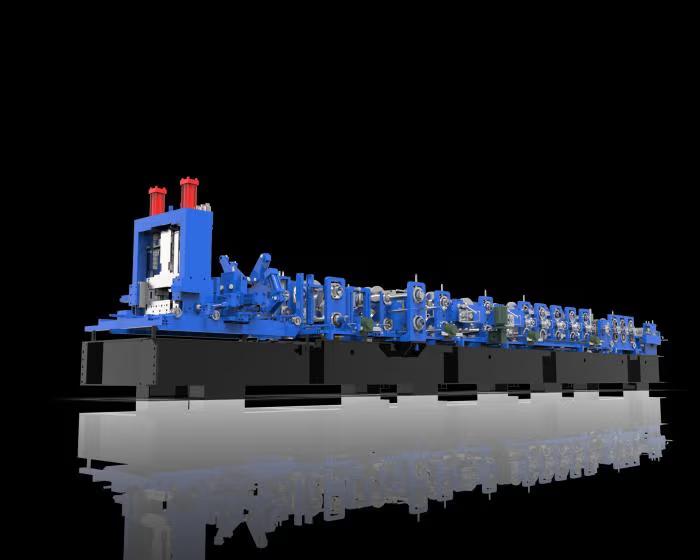
Intelligent automation combines advanced control systems, real-time monitoring, and automated production technologies to streamline manufacturing operations. In the roll forming industry, equipment such as a cold formed steel machine increasingly incorporates intelligent automation features that help reduce labor requirements while improving overall production performance.
The Growing Need for Automated Manufacturing Solutions
Manufacturers today face several workforce-related challenges, including rising labor costs, skilled labor shortages, and increasing production expectations. Traditional manufacturing methods often require extensive manual involvement, which can increase operational expenses and reduce efficiency.
Intelligent automation helps address these challenges by allowing machines to perform repetitive and time-consuming tasks with greater accuracy and consistency. As a result, manufacturers can improve productivity while reducing dependence on manual labor.
This shift toward automation is becoming a key strategy for businesses seeking long-term operational success.
How Intelligent Automation Reduces Labor Costs
Minimizing Manual Operations
One of the primary benefits of intelligent automation is the reduction of manual tasks throughout the production process. Automated systems can handle functions such as material feeding, profile forming, cutting, and quality monitoring with minimal operator intervention.
This allows manufacturers to operate more efficiently with fewer personnel.
Improving Workforce Productivity
Automation enables employees to focus on higher-value responsibilities such as production management, quality control, and process optimization rather than routine manual tasks.
By improving workforce productivity, businesses can maximize the value of their labor resources.
Reducing Production Errors
Human error can contribute to production defects, material waste, and costly rework. Intelligent automation helps maintain consistent operating conditions and precise production settings throughout manufacturing.
Fewer errors reduce labor requirements associated with corrections and quality issues.
Supporting Continuous Production
Automated systems can operate efficiently for extended periods with minimal supervision. Continuous production capabilities help manufacturers increase output without significantly expanding their workforce.
This contributes directly to lower labor costs per unit produced.
Simplifying Training Requirements
Advanced automation systems often feature user-friendly interfaces and streamlined controls. This can reduce the complexity of machine operation and shorten employee training periods.
Simplified operations help businesses improve workforce flexibility and efficiency.
Applications Benefiting from Intelligent Automation
Automated roll forming systems support the production of components used in:
- Commercial buildings
- Industrial facilities
- Warehouses and logistics centers
- Agricultural structures
- Roofing systems
- Wall cladding applications
- Steel framing systems
- Infrastructure developments
These industries benefit from the efficiency, accuracy, and cost savings that intelligent automation provides.
Choosing the Right Automated Equipment
Manufacturers considering intelligent automation should evaluate factors such as automation capabilities, production efficiency, machine reliability, monitoring systems, and long-term operational performance.
Businesses investing in a cold formed steel machine should ensure the equipment supports advanced automation features that improve productivity and reduce labor dependency. Likewise, a curving machine equipped with intelligent controls can provide efficient production of specialized steel components while maintaining consistent quality.
Selecting the right equipment helps manufacturers maximize the benefits of automation and achieve sustainable cost reductions.
Conclusion
Intelligent automation is transforming modern manufacturing by reducing labor costs, improving productivity, minimizing production errors, and supporting continuous operation. These advantages allow manufacturers to remain competitive while meeting growing production demands and controlling operational expenses.
Whether utilizing a cold formed steel machine for structural steel manufacturing or a curving machine for specialized profile production, intelligent automation provides significant benefits for today's manufacturing environment. As technology continues to advance, automated production systems will play an increasingly important role in driving efficiency and long-term business success.