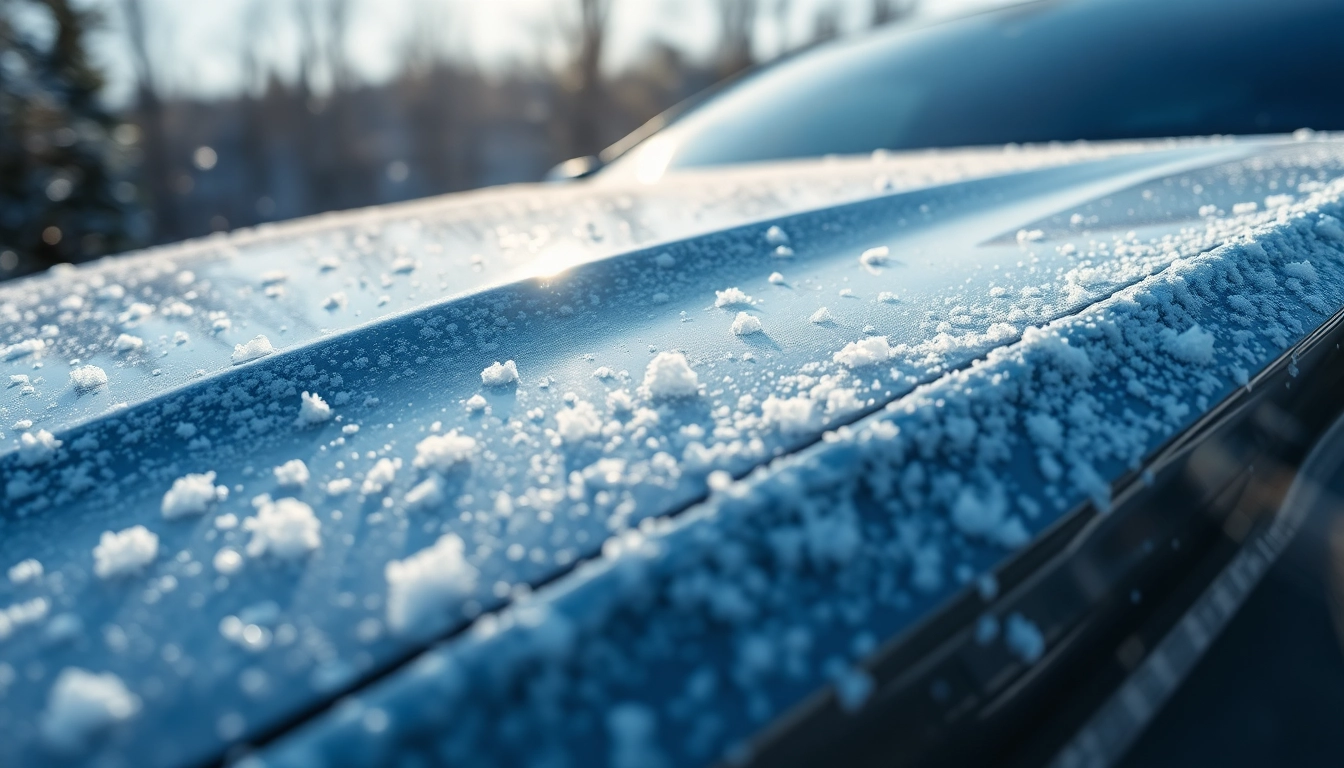
Understanding Winter Car Protection Chattanooga
As winter descends upon Chattanooga, the need for proper vehicle care becomes paramount. With temperatures dropping and conditions shifting, it's essential to understand how to protect your car from the harsh realities of winter weather. Effective winter car protection Chattanooga not only preserves the exterior of your vehicle but also ensures its optimal performance when it matters most. This article offers a comprehensive guide to winter car protection, encompassing vital strategies, effective treatments, and maintenance best practices.
Why Winter Protection Matters
Winter brings unique challenges that can affect your vehicle's performance and longevity. Ice, snow, and road salt can cause corrosion, while cold temperatures can lead to battery issues and fluid freezes. Without adequate protection, you could face costly repairs and reduced efficiency. Furthermore, a well-maintained vehicle enhances safety, which is crucial during winter driving conditions.
Key Elements of Effective Protection
- Corrosion Resistance: Coatings and treatments that prevent rust development.
- Battery Health: Keeping your battery in good condition to avoid winter failures.
- Fluid Maintenance: Ensuring fluids remain usable in cold temperatures.
- Tire Performance: Using tires suitable for winter conditions to maintain traction and safety.
Common Winter Car Issues
Understanding potential problems can help you mitigate risks. Common winter car issues include:
- Battery Failure: Cold weather can reduce battery capacity, leading to failure.
- Fluid Freezes: Engine oil and antifreeze can freeze if not properly maintained.
- Decreased Visibility: Ice and snow can impede windshield visibility.
- Corrosion Damage: Road salt contributes to rust and paint damage.
Protective Treatments for Your Vehicle
Investing in protective treatments is vital in safeguarding your vehicle from winter's elements. Various solutions are available to meet diverse needs, each offering unique advantages.
Wax and Sealants
Applying high-quality wax or sealant creates a protective barrier on your vehicle's exterior. These products repel moisture, dirt, and grime, making it harder for corrosive agents to cause damage. When selecting a wax or sealant, opt for products that specifically offer cold-weather protection properties.
Undercoating and Paint Protection
Undercoating shields the underside of your vehicle from corrosive materials found on winter roads. Paint protection film (PPF) or ceramic coatings can further safeguard the paint finish, offering durability and resistance to scratches and contaminants. For best results, a professional application is recommended to ensure complete coverage.
Interior Protection Strategies
While exterior protection is essential, don’t overlook the interior of your car. Utilizing floor mats, seat covers, and protectants can guard against salt stains and water damage. Regular vacuuming and cleaning are also vital in maintaining a fresh and clean environment within your vehicle.
Best Practices for Winter Car Maintenance
Regular maintenance is crucial for ensuring your vehicle can withstand winter conditions. Here are some best practices to follow:
Regular Inspections and Cleaning
Consistent inspections help you identify issues before they become significant problems. Check your lights, wipers, battery, and fluids monthly. Additionally, regular washes to remove road salt and grime protect your vehicle's paint and undercarriage.
Appropriate Tire Choices
Choosing the right tires is critical for winter safety. Winter tires offer superior grip and handling compared to all-season tires due to their tread design and rubber composition. If you often drive in snowy areas, consider investing in dedicated winter tires for enhanced safety and performance.
Seasonal Car Care Routines
Implementing a seasonal car care routine involves checking and changing engine oil, antifreeze levels, and brake systems, ensuring everything is optimized for winter. Additionally, being proactive about any mechanical issues can save you from costly repairs down the line.
DIY vs. Professional Protection Options
When deciding between DIY solutions and professional services for winter car protection, consider the level of effort, expertise, and desired results.
When to Choose DIY Solutions
DIY methods can be effective and budget-friendly for those with a hands-on approach. Basic washing, waxing, and applying floor mats can be accomplished without professional help. However, ensure you're following proper techniques and using quality products to achieve beneficial results.
Benefits of Professional Services
Professional detailing services provide expertise and high-quality equipment that can surpass typical DIY efforts. Professionals apply treatments with even consistency and thoroughness, minimizing the risk of improper application and maximizing protective benefits.
Cost Comparisons
When weighing costs, consider potential long-term savings. While DIY options may seem more affordable initially, the expertise of a professional might pay off through better vehicle longevity and performance, reducing future repair costs.
Frequently Asked Questions About Winter Car Protection Chattanooga
What are the best products for winter car protection?
Look for high-quality sealants and waxes that specifically state they provide cold-weather protection.
How often should I apply protective treatments?
It's recommended to apply treatments at least once a season, or as needed based on vehicle conditions.
Will winter car protection products affect my vehicle's appearance?
High-quality products can enhance shine and protect paint without compromising aesthetics.
Are DIY protection methods effective?
Yes, but ensure to use reliable products and follow best practices for application.
How can I prepare my car for winter?
Cleansing the vehicle, inspecting for damage, and applying protective coatings are essential prep steps.