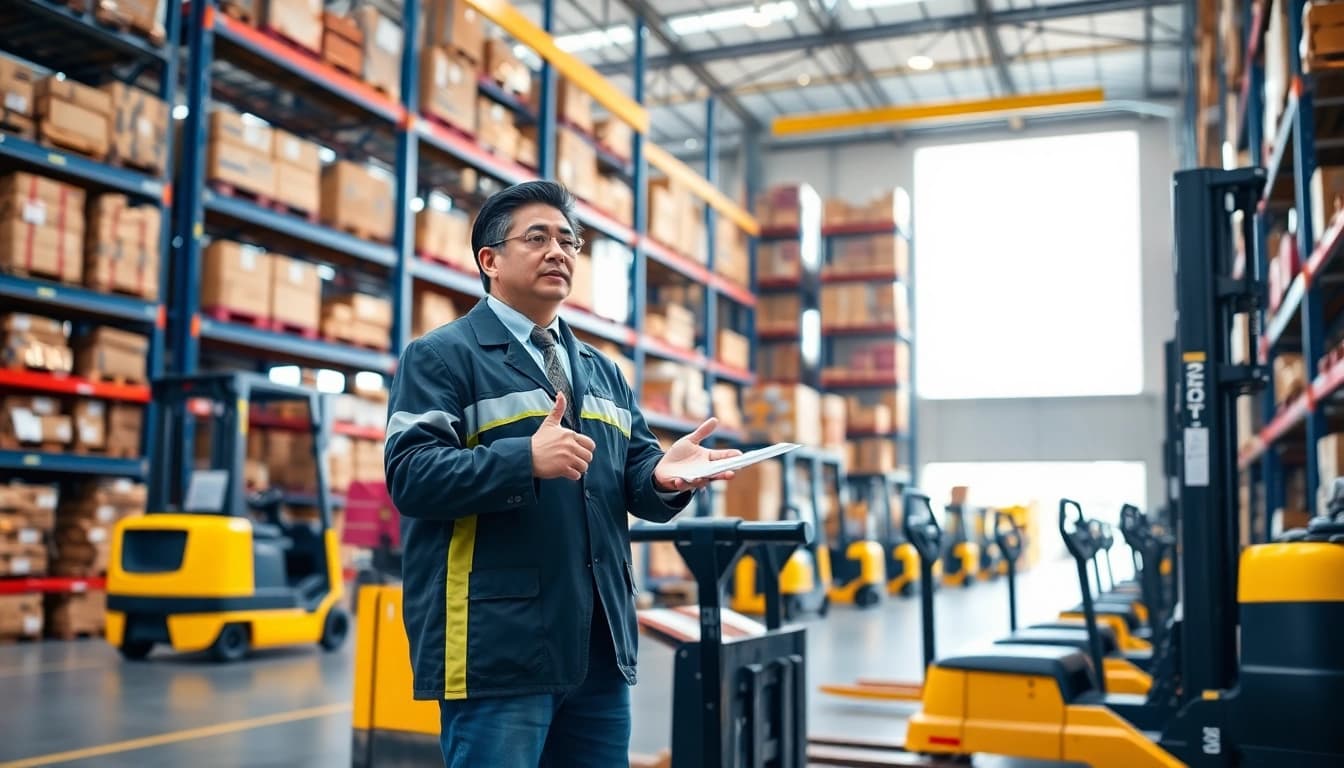
Understanding Logistics: Definition and Importance
Logistics plays a crucial role in both business operations and the overall economy. It encompasses the strategic management of the flow and storage of goods, services, and related information from the point of origin to the point of consumption. Essentially, logistics deals with the intricate choreography of supply and demand, helping businesses meet customer needs efficiently. Establishing effective logistics is vital for competitive advantage, as it ensures that the right product is delivered at the right place and time. For comprehensive insights into essential logistics strategies and practices, you can explore Logistics.
What is Logistics?
Logistics refers to the systematic process involved in planning, executing, and controlling the efficient movement and storage of goods. It is a pivotal part of supply chain management that aims to meet consumer demand while minimizing costs. Logistics is divided into several components, including transportation, warehousing, inventory management, order fulfillment, and supply chain management.
Key Components of Logistics
- Transportation: This involves selecting the best means for moving goods from one location to another, including road, rail, air, and sea transport.
- Warehousing: The strategic storage of goods is crucial for managing inventory levels and ensuring timely delivery.
- Inventory Management: This includes tracking inventory levels, orders, and deliveries to maintain optimal stock levels preventing excess or shortage.
- Order Fulfillment: The complete process involved in receiving, processing, and delivering customer orders.
- Supply Chain Management: The coordination of all logistical activities, integrating suppliers, manufacturers, and distributors to streamline operations.
The Importance of Effective Logistics Management
Effective logistics management directly impacts customer satisfaction, operational efficiency, and overall profitability. Key benefits include:
- Cost Reduction: Efficient logistics can lower transportation and storage costs, leading to significant savings for businesses.
- Improved Customer Satisfaction: Timely delivery and accurate order fulfillment enhance customer experience and loyalty.
- Competitive Advantage: Companies that excel in logistics often outperform competitors by delivering better service at lower costs.
- Flexibility and Adaptability: A robust logistics framework can quickly adapt to changes in demand or market conditions.
Types of Logistics: An Overview
Third-Party Logistics (3PL)
Third-party logistics (3PL) companies provide outsourced logistics services to businesses. These services often include transportation, warehousing, inventory management, and freight forwarding. Partnering with a 3PL can help businesses leverage expertise and technology without the need for extensive investments in logistics functions. A 3PL can provide flexibility and scalability, adapting to changing business needs.
Reverse Logistics and Its Challenges
Reverse logistics entails the process of moving goods from their final destination back to the manufacturer or retailer. This process is crucial for handling returns, recycling, or repurposing products. Challenges in reverse logistics include managing return rates, tracking reverse product flow, and the cost associated with handling returns.
Integrated Logistics Solutions
Integrated logistics solutions involve a coordinated approach to the entire logistics process. This approach considers every element of logistics, including transportation, warehousing, inventory, and data management, to create a seamless supply chain experience. Businesses often implement integrated logistics solutions to optimize efficiency, reduce costs, and improve service levels.
Best Practices in Logistics Management
Strategic Planning and Execution
Effective logistics management begins with robust strategic planning. Businesses should define clear logistics objectives aligned with their overall business goals. Key strategies include demand forecasting, setting performance metrics, and having contingency plans for potential disruptions. Successful execution requires collaboration across departments and with external partners to ensure a coherent logistics operation.
Technology in Logistics
Technology plays a pivotal role in modern logistics management. Innovations such as transportation management systems (TMS), warehouse management systems (WMS), and data analytics tools enhance visibility and efficiency across the supply chain. Automation in warehousing and transportation can improve accuracy and speed, reducing labor costs and minimizing human errors.
Measuring Logistics Performance
Measuring logistics performance is crucial for identifying areas for improvement. Key performance indicators (KPIs) used in logistics include:
- Order Accuracy: The percentage of orders shipped correctly to customers.
- Delivery Time: The average time taken to deliver goods to customers.
- Transportation Costs: The total expense incurred in moving goods.
- Inventory Turnover: Measures how frequently inventory is sold or used during a period.
Common Challenges in the Logistics Sector
Supply Chain Disruptions
Supply chain disruptions can be caused by various factors, including natural disasters, political instability, or sudden shifts in consumer demand. Effective risk management strategies, such as diversifying suppliers and implementing robust contingency plans, can help mitigate these disruptions.
Sustainability Issues
As environmental concerns rise, companies are focusing on sustainable logistics practices. This includes optimizing transportation routes to reduce carbon footprints, utilizing eco-friendly packaging materials, and implementing recycling programs within logistics operations. Companies that prioritize sustainability can enhance their brand reputation and appeal to environmentally conscious consumers.
Cost Management Strategies
Cost management is a critical challenge for logistics managers. Implementing effective cost-control measures, such as bulk purchasing, optimizing transportation networks, and utilizing technology to enhance operational efficiency, can help businesses reduce logistics costs without sacrificing quality.
The Future of Logistics: Trends and Innovations
Impact of E-commerce on Logistics
The rapid growth of e-commerce has revolutionized logistics operations. As consumers demand faster deliveries, companies are forced to innovate their logistics strategies. Implementing real-time tracking, improving last-mile delivery solutions, and enhancing fulfillment centers' efficiency are paramount for meeting customer expectations in the e-commerce landscape.
Automation and AI in Logistics
Automation and artificial intelligence are at the forefront of transforming logistics. Automated systems for inventory management, robotic process automation in warehousing, and AI for predictive analytics are streamlining operations. These technological advancements lead to greater efficiency, reduced costs, and enhanced decision-making capabilities.
Global Logistics Trends to Watch
Several global trends are shaping the logistics industry, including:
- Digitalization: The adoption of digital technologies to enhance supply chain visibility and coordination.
- Resilient Supply Chains: Organizations are focusing on building more resilient supply chains to withstand various disruptions.
- Last-Mile Delivery Innovations: Exploring new delivery methods, such as drones or autonomous vehicles, to enhance last-mile logistics.
- Sustainability Initiatives: Companies are integrating eco-friendly practices into their logistics strategies to meet consumer and regulatory demands.