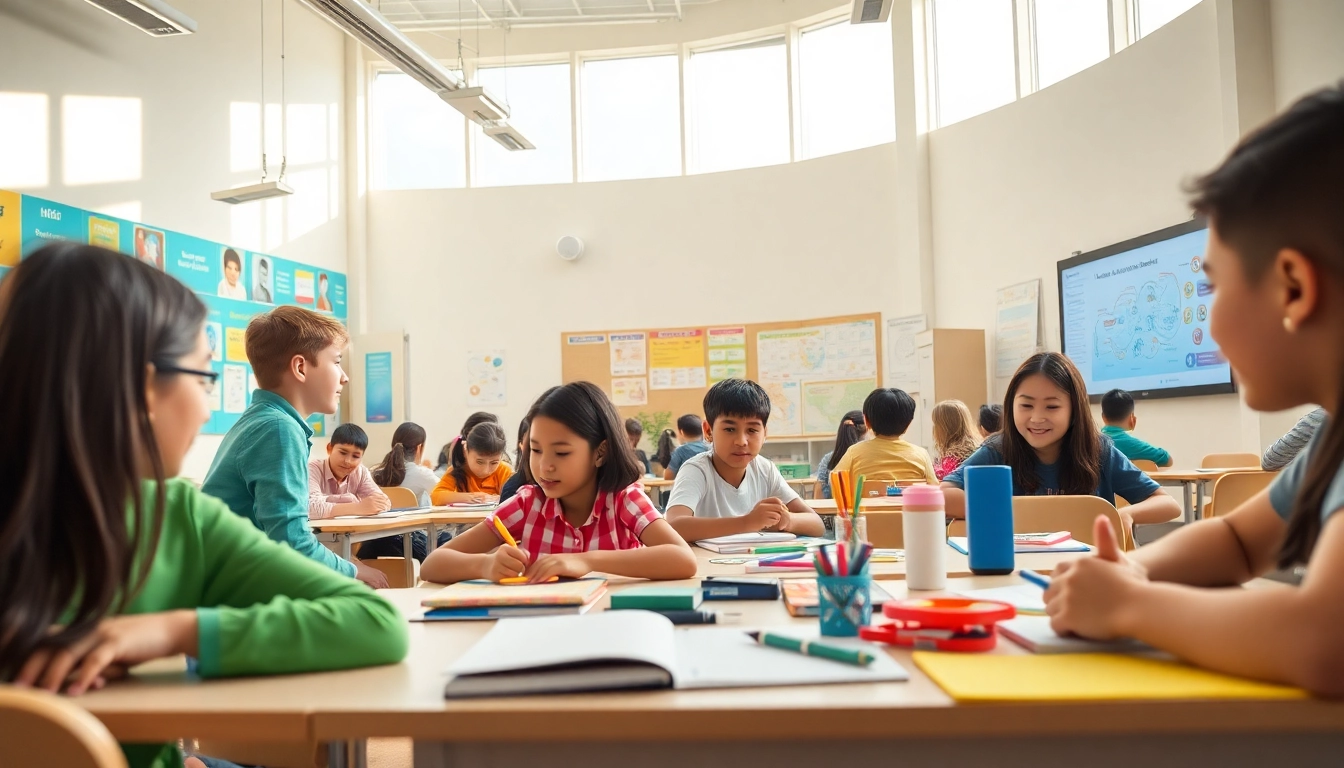
The Importance of Education in Modern Society
Education serves as the foundational pillar upon which societies are built and progress is achieved. It enables individuals to acquire essential knowledge, skills, and values that empower them to navigate the complexities of life. In an era marked by rapid technological advancements and shifting societal norms, the role of education has never been more critical. As such, exploring the intersection of education and social equity, innovation, and personal development is paramount for fostering inclusive and robust communities. By advocating for education that emphasizes freedom, equality, and justice, we can pave the way for a brighter future.
Understanding Education's Role in Social Equity
At its core, education is a powerful tool for social mobility and equity. It provides individuals from diverse backgrounds with the opportunity to improve their circumstances and realize their potential. However, systemic inequities often hinder access to quality education, perpetuating cycles of poverty and limiting opportunities for marginalized groups. Addressing these disparities requires a multi-faceted approach, including policy reforms, community engagement, and targeted resources to support underprivileged students.
Research shows that education can significantly reduce income inequality and enhance economic stability. For instance, a study by the Brookings Institution highlights that individuals with higher educational attainment are more likely to secure well-paying jobs and contribute positively to their communities. This underscores the inherent value of equitable educational access as a means of fostering social justice and economic empowerment.
Education as a Pathway to Innovation
Innovative thinking is crucial for addressing contemporary challenges, and education plays a vital role in cultivating this mindset. In a rapidly evolving job market where the demand for creative problem solvers is increasing, educational institutions must adapt their curricula to emphasize skills such as critical thinking, collaboration, and digital literacy.
Programs that foster interdisciplinary learning, project-based approaches, and real-world problem-solving enhance students' ability to innovate. For example, schools incorporating STEM (Science, Technology, Engineering, Mathematics) initiatives equip students with the technical skills necessary for success in technology-driven fields. Furthermore, integrating entrepreneurial education encourages students to think creatively and develop solutions that address pressing societal needs.
Common Misconceptions About Education Today
The discourse surrounding education is often clouded by misconceptions that can hinder progress. One prevalent myth is that education is solely about obtaining a degree. In reality, education encompasses lifelong learning, adaptability, and a commitment to personal growth. Moreover, the belief that traditional classroom settings are the only effective means of learning is increasingly outdated.
Alternative education models, such as online learning and experiential education, provide flexible pathways to knowledge acquisition. Understanding the diverse forms that education can take is essential for fostering a culture that values continuous learning and innovation.
Current Trends Shaping Educational Reform
As we move into 2026, several key trends are shaping the landscape of education reform. These trends reflect the changing needs of students, educators, and society at large, and they underscore the importance of adapting educational practices to meet these demands.
Technology Integration in Education
The integration of technology in education is transforming how students learn and educators teach. With the proliferation of digital tools and resources, classrooms are becoming more interactive and engaging. Technology facilitates personalized learning experiences that cater to individual student needs, allowing for differentiated instruction that maximizes each learner's potential.
Moreover, online platforms enable access to a wealth of information and resources that extend beyond the traditional classroom. Educators leveraging technology can create blended learning environments that combine face-to-face instruction with online resources, thus enhancing student engagement and fostering a deeper understanding of the material.
Inclusive Practices for Diverse Learners
Education must embrace inclusivity to meet the needs of an increasingly diverse student population. This involves recognizing and valuing the unique backgrounds, abilities, and perspectives of all learners. Implementing inclusive teaching practices, such as Universal Design for Learning (UDL), ensures that educational environments are accessible and equitable for every student.
Schools are beginning to adopt culturally responsive pedagogy that reflects the experiences of historically marginalized groups. By promoting a curriculum that is representative of diverse cultures and histories, educators foster a sense of belonging and relevance, which can significantly enhance student motivation and achievement.
Empowering Educators Through Professional Development
Educators are the cornerstone of the education system, and investing in their professional development is crucial for driving meaningful reform. Ongoing training opportunities that focus on the latest pedagogical strategies, technology integration, and inclusivity practices equip teachers with the tools they need to succeed in the classroom.
Collaborative professional development models, grounded in peer mentoring and shared learning experiences, cultivate a culture of continuous improvement among educators. When teachers are empowered and supported, they are more effective in fostering student engagement and achievement.
Challenges Facing Education Equity and Access
Despite progress in educational reform, significant challenges remain in achieving equity and access for all learners. Identifying these barriers is crucial for developing effective strategies to address them.
Barriers to Quality Education Across Different Regions
Geographic disparities in educational resources and opportunities can have profound implications for student success. Many rural and low-income urban areas face challenges such as underfunded schools, lack of access to advanced coursework, and insufficient technology infrastructure. These factors contribute to educational inequities that can persist across generations.
Furthermore, disparities in teacher qualifications and experience often impact student outcomes. Schools in disadvantaged areas may struggle to attract and retain qualified educators, leading to a workforce that lacks the necessary expertise to support diverse learners effectively.
The Impact of Socioeconomic Factors on Learning
Socioeconomic status plays a significant role in educational attainment. Students from low-income families may encounter obstacles such as food insecurity, lack of access to transportation, and limited educational support at home. These challenges can hinder their ability to focus on learning and achieve academic success.
Addressing these socioeconomic barriers requires a holistic approach that includes community partnerships, social services, and targeted programs aimed at supporting disadvantaged students. By providing comprehensive support systems, educators can create a more equitable learning environment.
Strategies for Overcoming Educational Inequities
To combat educational inequities, stakeholders must collaborate to implement effective strategies that promote access and equity. Some actionable approaches include:
- Advocating for policy changes: Engaging with policymakers to secure funding and resources for underserved schools.
- Creating community partnerships: Collaborating with local organizations to provide additional support services for students and families.
- Implementing mentorship programs: Establishing mentorship initiatives that connect students with role models and resources that foster academic success.
- Utilizing data-driven decision-making: Leveraging data to identify gaps in achievement and resource allocation, informing targeted interventions.
Implementing Effective Educational Strategies
To enhance student outcomes and foster a culture of innovation, educational institutions must implement effective strategies that align with current trends and research-backed practices.
Developing Curriculum That Meets 21st Century Skills
A modern curriculum must equip students with the skills necessary for success in the 21st century. This includes a focus on critical thinking, creativity, collaboration, and communication—skills that are increasingly valued in the workforce. Educators should integrate real-world applications into lesson plans, allowing students to see the relevance of their education and inspiring them to think critically about the challenges they may face.
Project-based learning and interdisciplinary approaches can further enhance students' engagement and understanding while fostering a sense of ownership over their education.
Engaging Parents and Community in Education Initiatives
Parental involvement is a crucial component of student success. Schools should actively engage parents through regular communication, workshops, and opportunities for collaboration. When families are informed and involved in their children's education, students are more likely to thrive academically.
Additionally, fostering partnerships with community organizations can provide valuable resources and support systems that enhance the educational experience for students and families.
Utilizing Data to Inform Instructional Practices
Data-driven decision-making is essential for improving instructional practices and ensuring that all students receive the support they need to succeed. By analyzing student performance data, educators can identify trends, assess the effectiveness of interventions, and tailor instruction to meet individual needs.
Implementing formative assessments and feedback mechanisms allows educators to adjust their teaching strategies in real-time, ultimately enhancing student learning outcomes.
The Future of Education: Predictions for 2026 and Beyond
As we look towards the future of education, several predictions emerge concerning the evolving landscape of teaching and learning. These projections are rooted in current trends and innovations that are reshaping the educational experience.
The Role of Artificial Intelligence in Learning
Artificial intelligence (AI) is poised to revolutionize education by providing personalized learning experiences tailored to individual student needs. AI-powered tools can analyze student performance, identify areas for improvement, and recommend targeted resources and interventions.
Moreover, AI has the potential to automate administrative tasks, allowing educators to focus more on teaching and engaging with students. As technology continues to advance, the integration of AI in educational settings will likely become more prevalent, enhancing the learning experience.
Emerging Educational Technologies and Their Impact
In addition to AI, other emerging technologies such as virtual reality (VR) and augmented reality (AR) are gaining traction in education. These immersive technologies provide students with hands-on learning experiences that can deepen their understanding of complex subjects.
For instance, VR can simulate historical events, scientific phenomena, or geographical explorations, allowing students to engage with the material in ways that traditional methods cannot achieve. As these technologies become more accessible, their integration into education will likely expand, transforming teaching and learning dynamics.
Global Perspectives on Education Innovation
The future of education will be influenced by global perspectives and best practices. As countries around the world grapple with similar educational challenges, sharing innovations and successful models can foster collaboration and drive progress.
International partnerships and exchange programs can enhance cross-cultural understanding and expose students to diverse educational methodologies. Embracing a global outlook on education will be essential for preparing students to thrive in an interconnected world.