Understanding the Basics of Bathroom Remodeling
What Is Bathroom Remodeling?
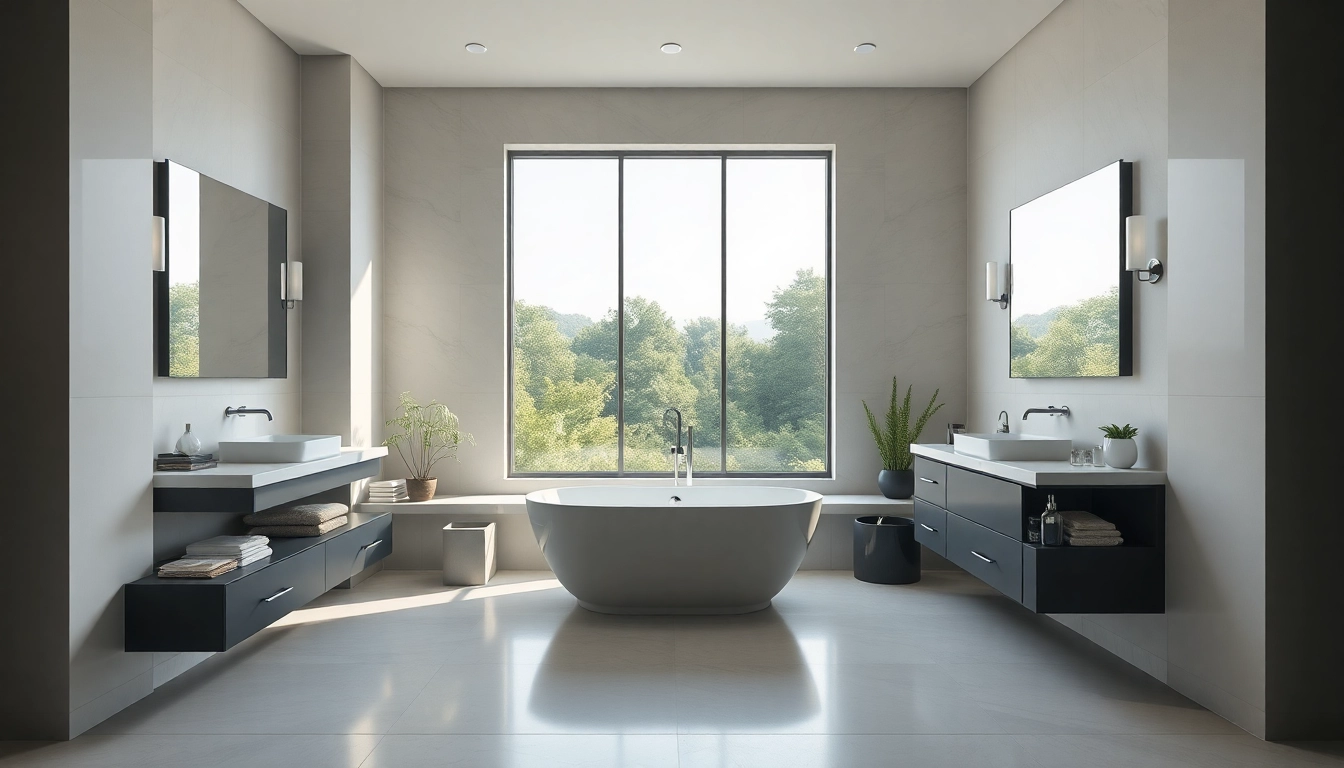
Bathroom remodeling is the process of improving and updating your bathroom space to enhance its functionality, aesthetics, and value. This may involve structural changes, like relocating fixtures, or simply cosmetic updates, such as new tiles, paint, or accessories. Regardless of the scale, a successful remodel can transform a tired, outdated bathroom into a comfortable, modern retreat.
Benefits of Remodeling Your Bathroom
The benefits of a bathroom remodeling project are manifold. First, it can significantly enhance the overall functionality of the space, ensuring that it meets the needs of all users. An updated bathroom can also increase your home’s resale value, providing a substantial return on investment. Furthermore, a remodel allows homeowners to integrate modern fixtures and eco-friendly technologies, helping to reduce water consumption and utility bills. Aesthetic improvements can also promote personal well-being, transforming your bathroom into a soothing oasis.
Planning Your Bathroom Remodeling Project
Effective planning is crucial to ensure the success of your bathroom remodeling. Start with a clear vision of what you want your new bathroom to look and feel like. Consider creating a mood board with colors, textures, and materials that resonate with your desired aesthetic. Establish a realistic budget, keeping in mind the costs of materials, labor, and any unexpected expenses. Lastly, develop a timeline. While each project will differ, having a set schedule can keep your efforts on track. For detailed resources and tips on this process, check out bathroom remodeling insights.
Essential Elements of Bathroom Remodeling
Choosing Fixtures and Fittings for Bathroom Remodeling
The selection of fixtures and fittings is critical in establishing the bathroom’s functionality and style. Essential items include toilets, sinks, faucets, and bathtubs or showers. When selecting these, consider both style and durability. Materials such as porcelain for sinks and tubs, and chrome or brushed nickel for faucets and showerheads, are popular for their longevity and look. Consult local suppliers or design stores to explore current trends that may suit your design vision.
Color Schemes and Materials in Bathroom Remodeling
Choosing the right color scheme and materials sets the tone for your bathroom. Light colors, such as whites and soft pastels, can create an airy feel, making smaller bathrooms appear more spacious. Bold or dark colors can add drama and sophistication but may need careful management of natural light to avoid a claustrophobic effect. For materials, consider tiles (ceramic, porcelain, or natural stone) for walls and floors, and select weather-resistant materials for cabinetry and accessories to ensure durability.
Lighting Solutions for Your Bathroom Remodeling
Lighting is a vital component in any bathroom. The right combination of ambient, task, and accent lighting can elevate both functionality and aesthetics. Ambient lighting provides overall illumination while task lighting is essential for activities like shaving or applying makeup. Use mirrors to reflect light, and add dimmable fixtures to create a relaxing atmosphere during bath time. Incorporating natural light through strategic windows can also improve the feel of the space significantly.
Common Mistakes in Bathroom Remodeling
Overlooking Budget Constraints in Bathroom Remodeling
One of the most common pitfalls in bathroom remodeling is failing to establish a clear budget. Without a well-defined financial plan, it’s easy to overspend on features or materials, leading to compromise in other areas. To avoid this, allocate a budget for each aspect of the remodel and leave a buffer for unexpected costs. Research local costs for materials and labor to set a practical budget.
Neglecting Functionality in Bathroom Remodeling
While aesthetics are important, functionality should never be sacrificed. It is vital to create a bathroom layout that promotes ease of use. Ensure that fixtures are arranged logically and that there’s adequate space for movement. Design considerations, such as the height of sinks and the accessibility of towels and toiletries, should align with the needs of all expected users, particularly in households with multi-generational residents.
Ignoring Future Needs in Bathroom Remodeling
Another mistake is overlooking future needs. As families grow and change, so do their bathroom requirements. Who uses the space? Are children or elderly family members involved? Consider adding features that accommodate all age groups, such as grip bars, shower benches, and non-slip flooring. Plan spaces that can adapt: consider features like conversion from a tub to a shower if future changes dictate.
Expert Tips for a Successful Bathroom Remodeling
Maximizing Space in Bathroom Remodeling
Maximizing space can significantly enhance the usability of your bathroom. Utilize vertical space by installing wall-mounted shelves or cabinets. Opt for corner shelving to take advantage of hard-to-use areas. Consider a floating vanity to create the illusion of a larger floor area. Use mirrors strategically — large mirrors can open up the space, while reflective tiles can also contribute to a sense of depth.
Incorporating Technology in Bathroom Remodeling
The incorporation of technology into bathroom design can improve both comfort and efficiency. Smart showers that control temperature and water flow, smart mirrors with integrated lighting, and heated floors are just a few examples of available technology that can transform your experience. While some may seem extravagant, energy-efficient appliances can save money in the long run.
Working with Contractors for Bathroom Remodeling
Finding the right contractor is essential for a smooth remodeling experience. Start by researching potential contractors and reading reviews. Ask for referrals and check references to ensure they have a strong portfolio of previous work. Ensure that the contractor understands your vision, budget, and timeline. Open communication is key: setting regular check-ins can keep the project on track and aligned with your expectations.
Measuring Success in Bathroom Remodeling
Post-Renovation Evaluation for Bathroom Remodeling
Once your bathroom remodel is complete, it’s important to evaluate the outcome against your original goals. Assess whether the functionality meets daily needs and if the design aligns with your aesthetic vision. Look at the overall flow of the space and whether it feels cohesive. Conduct a thorough walkthrough to note any issues that may need addressing long-term.
Gathering Feedback on Your Bathroom Remodeling
Gathering feedback from family members or guests can provide valuable insights into how your newly remodeled bathroom functions. Ask about their experience in using the space. Seek to understand if they find it user-friendly, relaxing, and practical. This can help identify potential areas for improvement or future modifications.
Calculating ROI in Bathroom Remodeling
To assess the financial impact of your remodel, calculating the return on investment (ROI) is essential. Generally, a bathroom remodel offers a great ROI, typically recouping over 60% of your investment. However, regional market trends can affect actual values, so perform an analysis based on local real estate data. Track the increase in home value and consider durability and longevity when valuing new installations.
Frequently Asked Questions
What is the average cost of bathroom remodeling?
The average cost varies widely based on factors like size and materials, typically ranging from $5,000 to $25,000.
How long does a bathroom remodel take?
Depending on the extent of the remodel, it can take anywhere from a week for minor renovations to several weeks for major overhauls.
Do I need a permit for bathroom remodeling?
Permits often depend on the scope of your project and local regulations; consult with your contractor or building authority.
Can I remodel my bathroom myself?
DIY bathroom remodeling is possible, but it requires skills and knowledge of plumbing and electrical work. Consider hiring professionals for complex tasks.
What are trendy designs for bathrooms?
Current trends include minimalistic designs, spa-like features, and bold color choices with eco-friendly materials.