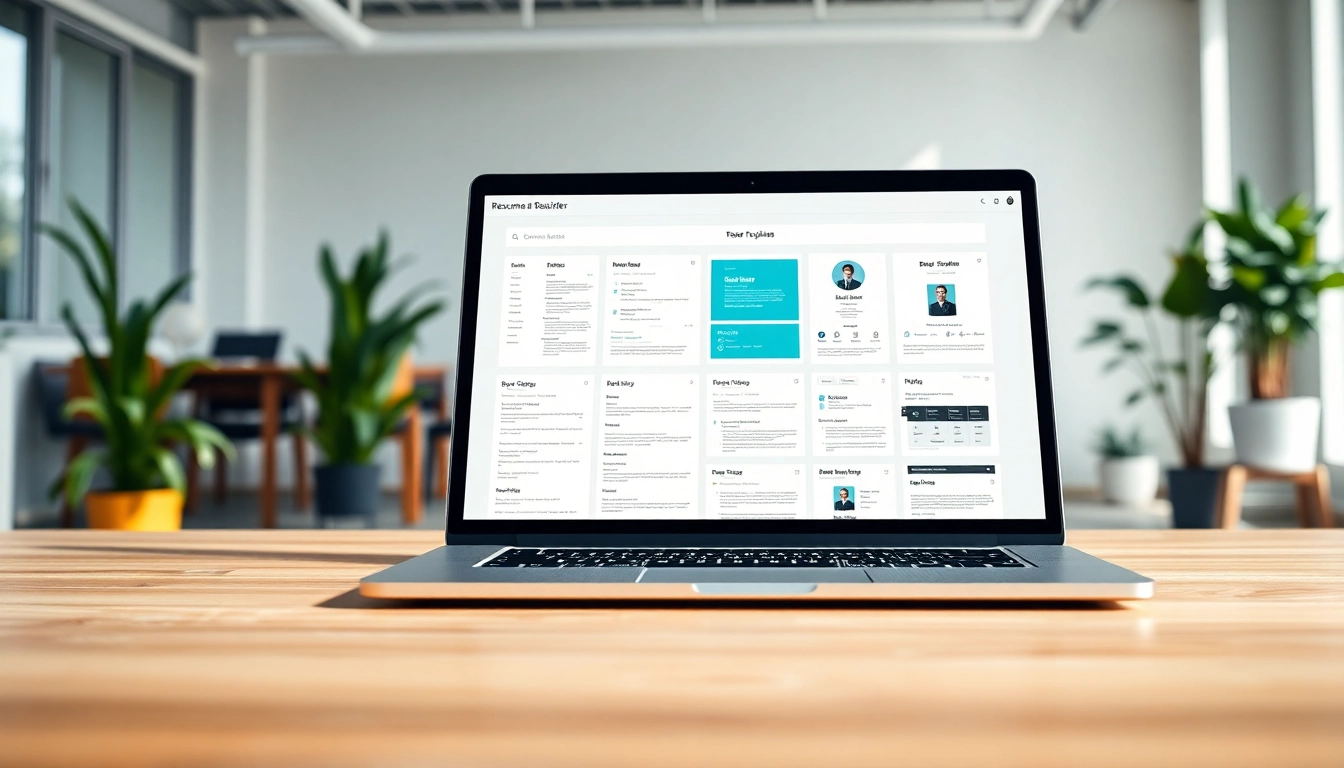
Introduction to Resume Builders
In today's competitive job market, a well-crafted resume is your ticket to standing out among countless applicants. It's essential to create a professional-looking resume that showcases your skills and experiences effectively. One of the most efficient ways to accomplish this is through a Resume Builder. These digital tools streamline the resume creation process, allowing you to focus on your qualifications rather than the formatting intricacies.
What is a Resume Builder?
A resume builder is an online tool that helps job seekers create professional resumes quickly and easily. These platforms typically offer a range of templates that adhere to industry standards, guiding users through each step of the resume-building process. Whether you're a recent graduate or a seasoned professional, a resume builder simplifies the task of compiling your work history, education, and skills into a cohesive document.
Benefits of Using a Resume Builder
Utilizing a resume builder provides multiple advantages:
- Time Efficiency: With templates and pre-built structures, you can create a resume in a fraction of the time compared to traditional methods.
- Professional Formatting: Many resume builders ensure your document adheres to formatting standards that hiring managers expect.
- Customization: You can tailor your resume for specific jobs easily, ensuring relevance to the position you’re applying for.
- Inline Guidance: Many platforms include tips and suggestions, helping you articulate your experiences and achievements better.
Types of Resume Builders Available
Resume builders come in various forms to cater to different needs:
- Template-based Builders: These offer a wide variety of pre-designed templates. You simply fill in your information. Examples include Canva and Resume.com.
- AI-Powered Builders: These use artificial intelligence to suggest content adaptations and enhancements. Options like MyPerfectResume and LiveCareer provide personalized recommendations.
- Mobile Applications: Resume builders like AI Resume Creator are also available as mobile apps, allowing you to design your resume on the go.
Features to Look for in a Resume Builder
Customization Options
A great resume builder should allow for significant customization. You want to ensure your resume reflects your personality and career aspirations. Look for builders that let you change colors, fonts, and layouts to create a unique document that stands out.
Template Variety
Diverse templates are crucial as they cater to different industries and preferences. A platform offering 30+ templates is ideal, ensuring you can find a suitable style that resonates with your target employer.
User-Friendly Interface
The best resume builders feature intuitive interfaces that simplify the resume creation process. This is particularly important for users who may not be tech-savvy. An easy drag-and-drop or click-to-edit functionality will streamline your effort.
How to Successfully Create a Resume Using a Resume Builder
Step-by-Step Guide to Building Your Resume
- Choose a Template: Select a template that fits your field and personal style.
- Input Your Information: Start filling in your information, following the prompts provided by the builder.
- Customize Sections: Tailor each section to highlight your skills and achievements relevant to the job you’re applying for.
- Review and Edit: Double-check for grammatical errors and ensure all information is correct.
- Download and Share: Once satisfied, download your resume in the desired format (PDF, DOCX) and prepare for sharing.
Common Mistakes to Avoid
When using a resume builder, it’s easy to fall into certain traps:
- Overcomplicating the Design: While aesthetics matter, clarity is paramount. Avoid cluttered or overly artistic designs.
- Using Generic Buzzwords: Customize your language to fit your individual accomplishments rather than relying on common phrases.
- Ignoring Job Descriptions: Tailor your resume to each job by aligning your skills and experiences with the requirements listed in the job description.
Tips for Enhancing Your Resume Content
Here's how you can ensure your resume effectively communicates your value:
- Quantify Achievements: Whenever possible, include numbers and statistics that showcase your success. For example, “increased sales by 20% in one quarter” is stronger than “responsible for sales increases.”
- Keep It Concise: Ensure that your resume is as brief as possible while fully conveying your qualifications. Aim for one page, especially if you're early in your career.
- Use Action Verbs: Start your bullet points with strong action verbs like “developed,” “managed,” and “led” to create a more impactful narrative.
Advanced Features of Resume Builders
Integration with Job Boards and LinkedIn
Many modern resume builders allow you to connect directly to job boards and LinkedIn. This feature automates the job application process, letting you apply for jobs with just a few clicks after building your resume.
AI-Powered Suggestions and Edits
Utilizing AI capabilities, some resume builders offer suggestions based on the job you’re applying for, enhancing your language and positioning your experiences more effectively. This personalization can be particularly beneficial for optimizing keywords to pass through applicant tracking systems (ATS).
Exporting and Sharing Options
After creating your resume, it's essential to have flexible options for exporting it. Look for builders that offer multiple formats (like PDF, DOCX, or even TXT) and provide simple sharing capabilities, whether via email or direct links.
Measuring the Effectiveness of Your Resume
Understanding Recruitment Metrics
To measure the effectiveness of your resume, consider the following metrics:
- Application Response Rates: Track how often you receive responses from applications. A low rate may indicate that your resume needs refining.
- Interview Invitation Rates: Percentage of applications that result in interview requests can gauge how effectively your resume captures attention.
- Job Offer Rates: Ultimately, the percentage of interviews leading to job offers is a critical metric to measure effectiveness.
Gathering Feedback from Employers
Soliciting feedback from hiring managers can provide invaluable insights. If you receive feedback indicating that your resume could be improved, consider refining it based on that information. It may mean altering how you present certain experiences or achievements.
Iterating Your Resume Based on Performance
Using the metrics and feedback gathered, iteratively improve your resume. This might involve making changes based on job descriptions you’ve applied to or tweaking sections that may not align well with potential employer expectations.