

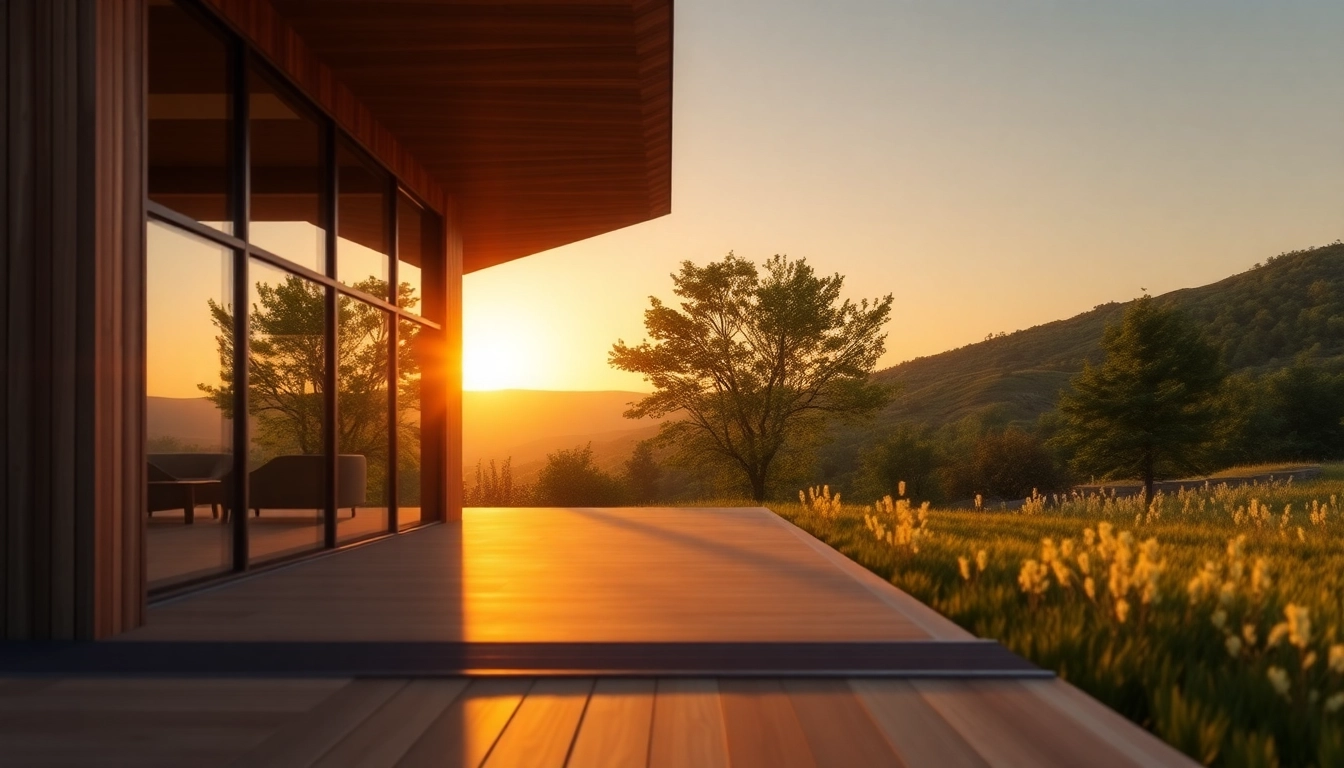
1. Introduction to Rock View Road Revival
The Rock View Road Revival embodies a transformative approach to architectural design, where the intricate balance between nature and structure is paramount. This revitalization project is not merely about aesthetics; it reflects a deeper understanding of sustainable living and the community’s evolving needs. As cities grow and change, so too must the spaces we inhabit, and the Rock View Road Revival serves as a remarkable case study in this movement. By focusing on embracing local heritage while incorporating modern design elements, this project resonates within its environment, showcasing innovative architecture that honors the past while paving the way for the future. For more insights on this endeavor, check out Rock View Road Revival.
1.1 Understanding the Concept of Revival
Revival in architecture refers to the process of reinvigorating existing structures or communities, emphasizing the importance of conserving historical elements while innovating with contemporary practices. This concept often emerges in areas where historical significance meets a demand for modern functionality. Its goal is to create spaces that not only serve current needs but also tell the story of their origins, fostering a deeper connection between residents and their environment. This balancing act is crucial in projects like Rock View Road Revival, where cultural heritage blends seamlessly with sustainable modern living.
1.2 Significance of Rock View Road Revival
The Rock View Road Revival holds immense significance on multiple fronts: environmental, cultural, and aesthetic. Environmentally, it showcases a commitment to sustainability through thoughtful design that limits ecological impact. Culturally, it celebrates local history by integrating traditional architectural elements, thus enriching the community’s identity. Aesthetically, it introduces innovative materials and design techniques that not only enhance the visual appeal but also improve functionality, ensuring that the structures remain relevant and usable for years to come. Each layer of significance contributes to a holistic approach to community development and environmental stewardship.
1.3 Overview of Architectural Trends
In today’s architectural landscape, several trends are shaping the way we approach design, with an emphasis on sustainability, minimalism, and community integration. These trends reflect a broader movement towards eco-conscious building practices that prioritize energy efficiency and the use of renewable resources. Furthermore, there is a growing preference for designs that encourage communal interaction and outdoor engagement, integrating nature into daily life. The Rock View Road Revival aligns seamlessly with these trends, providing a contemporary interpretation of these ideals while respecting historical contexts and natural landscapes.
2. Key Features of the Rock View Road Revival
2.1 Sustainable Design Elements
Sustainability stands as a cornerstone of the Rock View Road Revival, incorporating design elements that mitigate environmental impact and enhance energy efficiency. Key features include green roofs, solar panels, and systems designed for rainwater harvesting. These features not only reduce reliance on traditional energy sources but also promote biodiversity by creating habitats for local wildlife. By prioritizing such elements, the project exemplifies how architectural innovation can lead to a more sustainable future for urban spaces.
2.2 Innovative Materials Used
The selection of materials plays a pivotal role in the success of the Rock View Road Revival. Innovative materials such as cross-laminated timber, recycled metals, and bio-based composites are utilized to reduce the carbon footprint. These materials are not only sustainable but also provide unique aesthetic qualities that enhance the overall architectural design. By choosing to invest in such materials, the Rock View Road Revival sets a precedent for future projects, proving that environmental consideration can coincide with elegance and durability.
2.3 Space Utilization and Layout
Effective space utilization is central to achieving the goals of the Rock View Road Revival. Thoughtful layout planning prioritizes open spaces, promoting natural airflow and maximizing sunlight exposure, which are essential for energy efficiency. Flexible spaces allow for multi-use functionality, catering to various community needs. The integration of outdoor areas within the layout invites interaction and connection among residents, reinforcing the project’s emphasis on community engagement. Such careful consideration of space transforms the living experience, making every area purposeful and inviting.
3. Challenges in the Rock View Road Revival
3.1 Navigating Environmental Regulations
Undertaking a project like the Rock View Road Revival necessitates a keen understanding of environmental regulations. Navigating these laws can be complex, requiring thorough assessments and consistent communication with local authorities. Challenges may arise in areas such as land use, construction impact assessments, and compliance with sustainability standards. Addressing these regulations early in the planning process is crucial to ensure project feasibility and alignment with community standards.
3.2 Addressing Local Community Concerns
Community engagement is vital for the success of the Rock View Road Revival. Local residents often harbor concerns regarding the preservation of their neighborhood’s character and the potential impacts of new developments. Hosting public forums, conducting surveys, and actively incorporating community feedback into the design process helps address these concerns. Open lines of communication foster trust and collaboration, ensuring that the revival efforts reflect the aspirations of both the community and the developers.
3.3 Managing Budget Constraints
Financial considerations are always a challenge in large-scale projects like the Rock View Road Revival, necessitating careful budget management and strategic planning. Securing funding from diverse sources, including grants, public-private partnerships, and community investments, is essential to realize ambitious design goals. Effective resource allocation and prioritizing must-haves over nice-to-haves can help maintain budget adherence while still achieving the project’s vision.
4. Case Studies of the Rock View Road Revival
4.1 Successful Implementations
Examining successful implementations of concepts similar to the Rock View Road Revival can provide valuable lessons. Projects that effectively integrate sustainable design, engage local communities, and utilize innovative materials often serve as inspirational benchmarks. These case studies highlight best practices and strategies that can be replicated, showcasing how collaboration and creativity lead to revitalized environments that cater to contemporary demands.
4.2 Lessons from Failures
Not all revitalization efforts are met with success. Analyzing instances where projects did not meet expectations reveals common pitfalls, such as insufficient community involvement, inadequate budget planning, or lack of adherence to sustainability principles. These lessons are crucial for informing future endeavors, ensuring that strategies are refined to avoid repeating past mistakes and instead cultivate successes.
4.3 Future Projects Inspired by Revival
The inspirational impact of the Rock View Road Revival extends beyond its immediate vicinity. Future projects drawing inspiration from this initiative can promote innovative practices and enhance community connection in various contexts. By showcasing successful partnerships between architects, developers, and local residents, these projects can continue to drive architectural innovation and foster sustainable development across regions.
5. FAQs about Rock View Road Revival
5.1 What is the purpose of the Rock View Road Revival?
The main purpose is revitalization through sustainable architectural practices, enhancing community interaction while honoring local heritage. It aims to blend modern functionality with historical respect.
5.2 How does sustainable design improve the Rock View Road Revival?
Sustainable design enhances energy efficiency, reduces environmental impact, and promotes biodiversity, creating healthier living conditions and fostering a connection between residents and nature.
5.3 What materials are commonly used?
Commonly used materials include cross-laminated timber, recycled metals, and bio-based composites, all chosen for their sustainability and unique aesthetic qualities that complement modern design.
5.4 What challenges are usually faced?
Common challenges include navigating environmental regulations, addressing community concerns, and managing budget constraints, necessitating open communication and strategic planning for resolutions.
5.5 How can I get involved in similar projects?
You can get involved by participating in local forums, volunteering in community organizations, or reaching out to architectural firms that focus on sustainable design and community revitalization efforts.