

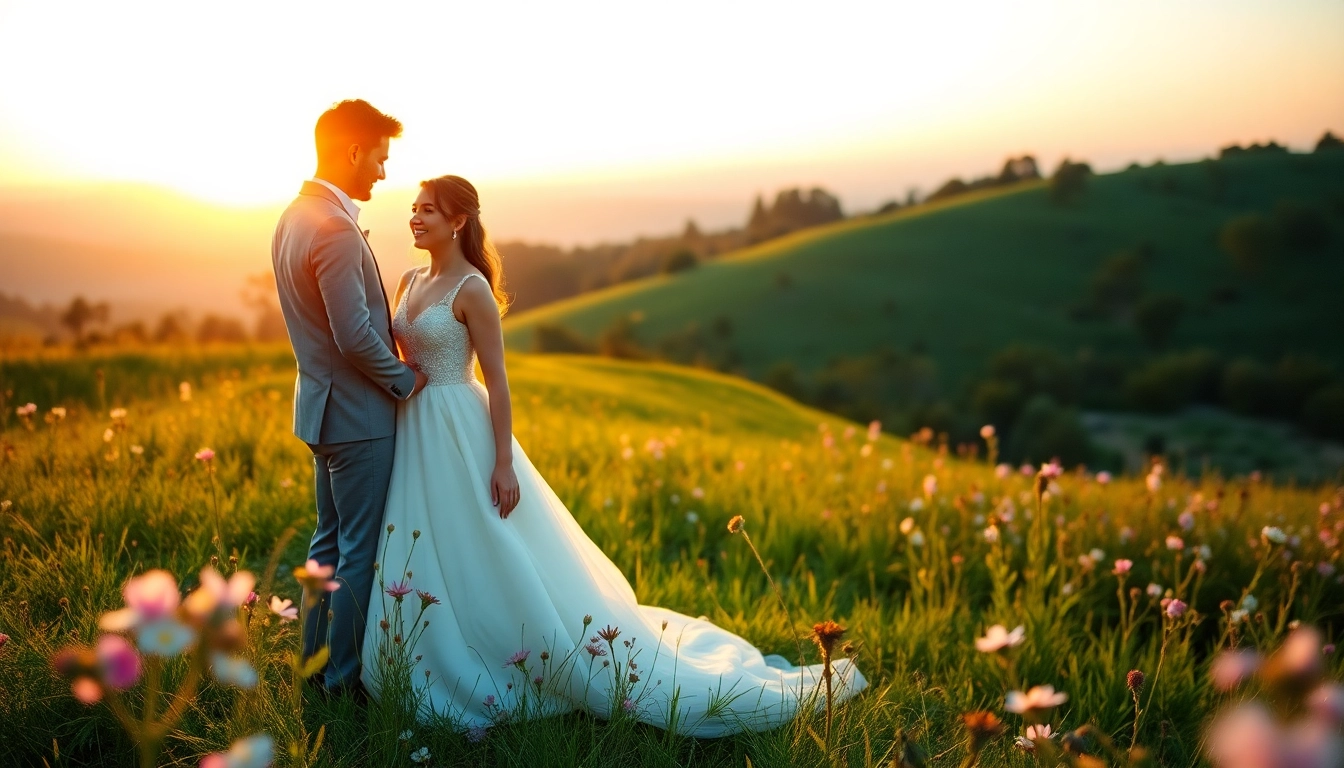
Introduction to Wedding Photography
Wedding photography captures the essence of one of the most important days in a person’s life. As couples plan their ceremonies, they often desire to find ways to immortalize the love, joy, and timeless moments that unfold throughout the day. The Wedding photography genre encompasses various styles, techniques, and considerations that help create stunning visual narratives, ensuring that these cherished memories will be preserved beautifully for years to come.
What is Wedding Photography?
Wedding photography is a specialized field of photography focused on documenting the events surrounding a wedding ceremony. This includes pre-wedding activities such as engagement shoots and bridal preparations, as well as the ceremony itself and the celebrations that follow. The goal is to capture not just the significant moments, like the vows and the first dance, but also the candid expressions, interactions, and emotional nuances that make each wedding unique.
Importance of Wedding Photography
The importance of wedding photography lies in its ability to tell a story. A well-executed set of wedding photos allows couples to relive their experiences, emotions, and connections shared with loved ones. Beyond personal significance, these photographs often become family heirlooms, passed down through generations, preserving family history and lineage. Moreover, professional photography can enhance the overall wedding experience, providing couples with artistic representations of their day that reflect their personal tastes and the atmosphere of their celebration.
Different Styles of Wedding Photography
Wedding photography has evolved into a variety of styles, each with its own unique approach and aesthetic. Here are some of the most popular styles:
- Traditional/Classic: Focused on posed shots and formal portraits, this style aims for a timeless quality that includes family groupings and key moments from the ceremony.
- Photojournalistic: Also known as documentary photography, this style captures candid moments and spontaneous interactions. The photographer serves as an observer, documenting the day without dictating its flow.
- Fine Art: This artistic approach emphasizes composition, lighting, and creativity. Fine art wedding photographers often capture scenes in a way that transforms moments into artful pieces.
- Vintage: This style draws inspiration from past decades (like the 1960s or 1980s), often using filters, editing techniques, and props that evoke a nostalgic feel.
- Destination: For couples planning weddings at unique locations, destination photography captures the beauty of the environment in conjunction with the celebration, often incorporating local culture and landscapes.
- Editorial: Emulating magazine spreads, editorial-style wedding photography focuses on stylized shots and fashion-forward poses, emphasizing grandeur and creativity.
Planning for Your Wedding Photography
Choosing the Right Photographer
Selecting a wedding photographer is a crucial step in the planning process. Couples should begin by researching potential photographers, examining their portfolios, and considering their shooting style. It’s essential to ensure that their aesthetic aligns with what’s desired for the wedding. When interviewing candidates, consider the following:
- Experience: Look for photographers who specialize in weddings and have a portfolio showcasing similar styles and environments.
- Reviews and References: Reading past client reviews and asking for references can provide insight into the photographer’s reliability and professionalism.
- Budget and Packages: Different photographers offer varying packages. Be clear about what’s included, such as hours of coverage and post-production services.
- Personality: Finding a photographer whose personality gels well with the couple can make a significant difference on the wedding day.
Setting a Budget for Wedding Photography
Establishing a budget for wedding photography is essential, as it allows couples to prioritize their spending and avoid overshooting their finances. Factors to consider include:
- Experience Level: More experienced photographers may charge higher rates but often produce superior work due to their expertise.
- Length of Coverage: Full-day photography will generally cost more than just a few hours. Determine what parts of the day are most important to capture.
- Additional Services: Extra charges may include an engagement session, additional editing, photo albums, or prints.
- Geographical Location: Pricing can vary widely depending on the photographer’s location, with urban areas typically being more expensive.
Creating a Shot List
A shot list is a compilation of must-have photos for your wedding day. As couples prepare for their event, crafting this list ensures that important moments are not overlooked. Here are some tips for creating an effective shot list:
- Prioritize Key Moments: Focus on meaningful moments such as the ceremony, emotional exchanges, and any family traditions.
- Include Family and Friends: Make note of family group shots and specific friends you wish to include in portraits, especially if they are traveling from afar.
- Consider Time Constraints: Be realistic about the time allocated for photos, ensuring that the photographer can capture the highlights without feeling rushed.
- Communicate with the Photographer: Discuss the shot list with your photographer to understand what is feasible based on the venue and timeline.
Techniques for Stunning Wedding Photography
Understanding Lighting in Wedding Photography
Lighting is one of the most critical elements in photography. It affects mood, clarity, and overall composition. Photographers should understand various lighting conditions and how to manipulate them for optimal results:
- Natural Light: Utilizing soft natural light, particularly during golden hour (just before sunset), can enhance the beauty of outdoor shots.
- Artificial Light: Understanding flash techniques and off-camera lighting can assist in capturing stunning indoor shots or during evening receptions.
- Mixed Lighting Conditions: Photographers need to be prepared to deal with different light sources and learn how to balance them to avoid harsh shadows or overly bright areas.
Composition Tips for Memorable Shots
Effective composition is vital for creating engaging images. Here are some fundamental composition techniques to consider:
- Rule of Thirds: Dividing the frame into thirds helps create balanced compositions—placing subjects along these lines or at their intersections draws the viewer’s eye.
- Leading Lines: Use lines within the environment, such as pathways or architectural elements, to guide the viewer’s gaze toward the subject.
- Framing: Incorporate natural elements like archways or trees to frame the couple, adding depth and context to the images.
- Variety in Angles: Capture moments from various angles, including overhead shots or close-ups, to create a more dynamic album.
Utilizing Props and Settings
Props and unique settings can enhance the storytelling aspect of wedding photography. Here are some creative ideas:
- Personal Items: Incorporate items that hold personal significance to the couple, such as heirloom jewelry or love letters.
- Enhancing the Venue: Use elements of the venue itself, like floral arrangements or architectural details, to add richness to the images.
- Themed Props: Consider using props that align with the wedding theme, such as vintage scooters for a vintage wedding or fun signage for a rustic affair.
- Nature Elements: Outdoor weddings can utilize the surrounding environment, including landscapes or gardens, to create breathtaking backdrops.
Post-Production in Wedding Photography
Importance of Editing and Retouching
Post-production is an essential step in delivering high-quality wedding photographs. Through editing and retouching, photographers can enhance the images, correcting any exposure or color balance issues and adding artistic touches. Here are some standard techniques used:
- Color Correction: Adjusting colors to ensure accurate representation of skin tones and the overall atmosphere of the day.
- Sharpening and Noise Reduction: Tackling image clarity and graininess to ensure final photos are crisp and clear.
- Artistic Enhancements: Applying filters or effects can help achieve the desired aesthetic without over-processing the image.
Choices in Photo Formats and Albums
After completing the editing process, couples can choose how to present their photos. Common options include:
- Digital Gallery: Providing an online gallery allows couples easy access to prints and sharing with friends and family.
- Prints: High-quality printed photos can be framed or displayed as part of home decor.
- Photo Albums: Custom-designed photo albums offer a tangible collection of memories that couples can cherish and share over time.
Sharing Your Wedding Photos Online
Sharing wedding photos online has become a popular way to showcase the celebration to friends and family. However, couples should consider a few guidelines:
- Privacy Settings: Ensure that images shared on social media respect privacy and do not reveal sensitive information about the couple or guests.
- Watermarking: Adding a watermark can protect images from unauthorized use while promoting the photographer’s work.
- Tagging and Crediting: Encourage friends and family to tag the couple or photographer, creating a more extensive network of shared memories online.
FAQ: Common Questions About Wedding Photography
How do I choose the best style for my wedding photos?
Consider the mood you want to convey, examine different styles, and browse various portfolios that resonate with your preferences. Discuss your vision with potential photographers to determine what aligns best.
What should I ask my wedding photographer?
Inquire about their experience, availability on your wedding date, pricing packages, post-production process, and if they have a backup plan in case of emergencies.
How long will it take to receive my wedding photos?
The timeline for receiving wedding photos can vary, typically ranging from four to twelve weeks. Confirm the expected turnaround time during your initial discussions.
Can I create a custom shot list?
Yes! Creating a custom shot list is not only encouraged but essential for ensuring your photographer captures your must-have moments, ensuring nothing is overlooked.
What’s the average cost of wedding photography?
The cost of wedding photography varies, but on average, couples can expect to spend between 10% to 15% of their total wedding budget on photography. Price may vary based on experience and location.
